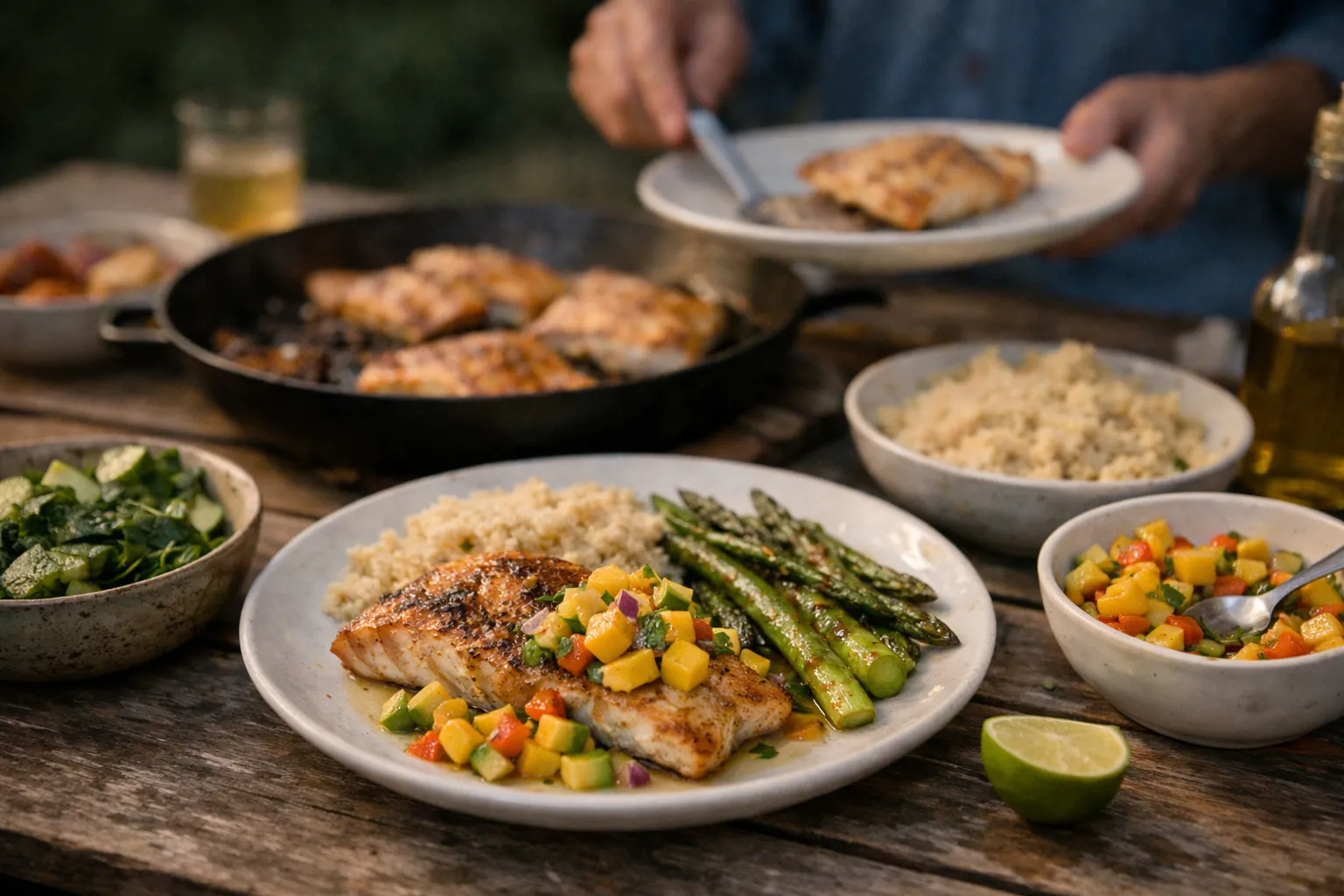
Warm evenings still call for fast, bright dinners that don't demand a lot of stove time. This October 2026 update keeps the original 10 recipes you love (pan‑seared cod, miso‑glazed salmon, mahi‑mahi tacos, and more) and adds current sourcing guidance, equipment shortcuts that matter in 2026 (air fryers and more widely available home sous‑vide units), and quick checks on sustainability and safety so you can cook with confidence.
How to use this roundup
Choose by cooking method (pan‑sear, broil, grill, roast, poach, or no‑cook/canned), then match by total time and serving size. New for 2026: when a recipe calls for fresh fish, look first for "frozen‑at‑sea" or traceability labels (MSC, ASC, or supplier trace codes). These are increasingly common across grocery chains and markets and often deliver better flavor and shelf life than "fresh" fish that has sat on ice for days.
Methodology
I selected 10 recipes that meet these criteria: total cook time 10–30 minutes; uses common pantry staples plus one or two market items; scalable from 2–4 servings; compatible with at least two simple dietary swaps (gluten‑free, dairy‑free, vegetarian/vegan alternative where sensible). To make the list current I surveyed supplier labeling norms and home‑cooking tech trends through 2024–2026 trade coverage, and I cross‑checked safety basics with FDA food‑safety guidance for fish (cook until opaque and flakes easily; follow supplier guidance for raw preparations).
10 Fast Fish Dinners (updated)
1. Lemon‑Caper Pan‑Seared Cod
- What it is: Quick pan‑seared cod finished with a bright lemon‑caper pan sauce.
- Key details: 4 cod fillets (5–6 oz each), 1–2 tbsp butter or olive oil, 2 tbsp capers, juice + zest of 1 lemon, 2 cloves garlic, chopped parsley.
- Prep & time: 15 minutes total; pan‑sear 3–4 minutes per side.
- Why it made the list: Minimal ingredients, fast technique; cod's mild flavor pairs with pantry staples.
- 2026 note: Look for "frozen‑at‑sea" cod or an MSC label for better texture and reduced waste; cod from some regions remains seasonally variable—ask your fishmonger.
- Swaps: Olive oil for dairy‑free; green olives for lower‑salt caper alternative; serve over quick freekeh or rice for a heartier meal.
2. Miso‑Glazed Broiled Salmon
- What it is: Salty‑sweet white‑miso glaze under high broil for caramelized finish.
- Key details: 4 portions (5–6 oz), 2 tbsp white miso, 1 tbsp mirin, 1 tsp soy or tamari, 1 tsp honey or maple syrup, scallions, sesame seeds.
- Prep & time: 10–12 minutes including quick glaze; broil 6–8 minutes.
- Why it made the list: Fast, dramatic result; good freezer‑to‑oven performance with flash‑frozen fillets.
- 2026 note: Atlantic and Pacific salmon farming practices have matured since the early 2020s—look for ASC, BAP, or clear origin info. If you prefer wild salmon, expect seasonal availability and slightly different cook times.
- Swaps: Tamari for gluten‑free; reduce sweetener for lower sugar; tahini + lemon as a non‑fermented alternative.
3. Chili‑Lime Grilled Mahi‑Mahi Tacos
- What it is: Spiced, charred fish tucked into corn tortillas with cabbage slaw and crema.
- Key details: 1 lb mahi‑mahi, 2 tbsp olive oil, 1 tsp chili powder, juice + zest of 1 lime, corn tortillas, slaw, avocado.
- Prep & time: 15–20 minutes; grill or pan‑sear.
- Why it made the list: Crowd‑friendly, flexible; mahi‑mahi holds up to high heat.
- 2026 note: If mahi‑mahi is priced high in your market, swap with frozen firm white fish labeled "sashimi‑grade" or use sustainably farmed tilapia or pollock depending on availability.
- Swaps: Corn tortillas for gluten‑free; mashed avocado for dairy‑free crema; jackfruit for a vegetarian alternative.
4. Thai Coconut‑Poached Snapper with Herbs
- What it is: Gentle poaching in spiced coconut broth with lime and fresh herbs.
- Key details: 1 lb snapper or firm white fish, 1 can (14 oz) coconut milk, 1 tbsp fish sauce or tamari, 1 tbsp lime juice, chiles, cilantro, basil.
- Prep & time: 12–15 minutes; poach gently 6–8 minutes.
- Why it made the list: Comforting, minimal hands‑on time; forgiving for slightly thicker fillets.
- 2026 note: For vegetarian adaptation, use firm tofu and a vegetable stock base; coconut‑based broths are now widely available in single‑serve cartons for pantry convenience.
5. Sheet‑Pan Mediterranean Sea Bass with Tomatoes & Olives
- What it is: Oven‑roasted whole fish or fillets with tomatoes, olives and oregano on one sheet pan.
- Key details: 2 whole sea bass (or 4 fillets), pint cherry tomatoes, 1/2 cup pitted olives, 1 lemon, 2 tbsp olive oil.
- Prep & time: 5–10 minutes prep; 20–25 minutes roast.
- Why it made the list: Low hands‑on time and easy for guests; sheet‑pan approach minimizes cleanup.
- 2026 note: Whole fish availability varies—if sea bass isn't available, use branzino, trout, or fillets of firm white fish and adjust roast time slightly.
6. Panko‑Crusted Tilapia with Lemon‑Parsley Yogurt
- What it is: Crisp crusted tilapia baked or shallow‑fried, served with a tangy yogurt sauce.
- Key details: 4 tilapia fillets, 3/4 cup panko (or GF crumbs), 1 egg or aquafaba, 1/2 cup plain yogurt, lemon zest.
- Prep & time: 18–22 minutes; bake at 425°F for 10–12 minutes or pan‑fry until golden.
- Why it made the list: Crunchy texture fast; good use of pantry panko or GF alternatives.
- 2026 note: Air‑fryer option: 400°F for 8–10 minutes gives crisp results with less oil—air fryers have become a reliable weeknight shortcut in many kitchens.
7. Tuna Niçoise–Inspired Quick Bowl (Seared or Canned)
- What it is: Deconstructed Niçoise with seared ahi or high‑quality canned tuna.
- Key details: 8 oz ahi tuna steak or 1 can premium tuna, small potatoes, green beans, cherry tomatoes, olives, hard‑boiled egg, mustard vinaigrette.
- Prep & time: 15–20 minutes (seared) or 10 minutes (canned).
- Why it made the list: Flexible protein options—canned tuna keeps this ultra‑quick.
- 2026 note: Canned fish quality continues to rise; look for brands listing harvest region and pack date for peak flavor. For seared tuna, consider flash‑frozen "sashimi‑grade" tuna for consistent results.
8. Quick Mackerel Escabeche
- What it is: Pan‑fried mackerel finished in a warm pickling broth of vinegar, onion and aromatics.
- Key details: 4 mackerel fillets, 1/2 red onion, 1/2 cup white wine or apple cider vinegar, 1/4 cup olive oil, bay leaf, carrot.
- Prep & time: 20–25 minutes plus optional 30‑minute rest.
- Why it made the list: Intensified flavor improves with short rest; mackerel is economical and richly flavored.
- 2026 note: Mackerel's strong flavor pairs well with acidic preparations—if oily fish are new to you, try a half‑portion the first time.
9. Herb‑Crusted Trout Almondine
- What it is: Pan‑roast trout topped with toasted sliced almonds and lemony herbs.
- Key details: 4 trout fillets, 1/2 cup sliced almonds, 2 tbsp butter or olive oil, fresh dill and parsley, lemon.
- Prep & time: 18–22 minutes; toast almonds 3–4 minutes then finish fish 6–8 minutes per side depending on thickness.
- Why it made the list: Textural contrast and fast finish; trout is often available fresh or frozen with good value.
- Swaps: Pumpkin seeds for nut‑free option; olive oil for dairy‑free.
10. Sardine Crostini with Tomato & Basil (10 minutes)
- What it is: Canned sardines on toasted bread with fresh tomato and basil—fast, nutritious, and pantry‑friendly.
- Key details: 2 cans sardines in olive oil, crusty baguette or GF bread, ripe tomatoes, garlic, basil, lemon.
- Prep & time: 8–10 minutes; toast and assemble.
- Why it made the list: Canned fish is shelf‑stable, rich in omega‑3s, and incredibly quick—perfect for nights when you want something healthy in under 10 minutes.
- 2026 note: The canned‑fish category has expanded: look for jarred sardines packed with whole‑fish options and clear pack dates to maximize freshness.
Shopping, Scaling & Timing Tips — 2026 updates
- Frozen‑at‑sea and traceable labels: In 2026 it’s more common for retailers to display "frozen‑at‑sea" or a supplier trace code. These typically indicate the fish was flash‑frozen immediately after harvest, preserving texture and flavor; use this when fresh looks dated or expensive.
- Sustainability signals: Favor MSC (wild) and ASC/BAP (farm) certifications for transparent sourcing. When in doubt, consult Monterey Bay Aquarium Seafood Watch or your local fishmonger for region‑specific guidance.
- Safety for raw preparations: If you plan ceviche or seared rare tuna, use fish labeled for raw consumption ("sushi‑grade") or follow supplier freeze recommendations and FDA guidance for safe handling.
- Pantry restocks: Keep jars of miso, good olive oil, canned coconut milk, capers, canned tuna/sardines, panko (or GF crumbs), lemons and preserved chilies on hand for last‑minute dinners.
- Equipment shortcuts: Air fryers: 400°F for 8–10 minutes yields crisp fillets; sous‑vide immersion circulators (now more affordable) give effortless, precise doneness for thicker pieces—finish with a quick sear.
- Portion sizing: 5–6 oz cooked fish per person is a standard serving; scale linearly but avoid overcrowding pans—work in batches or use multiple pans to keep browning consistent.
- Internal temperature: Cook fish until it flakes easily and is opaque. FDA guidance uses 145°F (63°C) as a reliable reference point for fully cooked fish; adjust slightly for personal preference on steaks like tuna or salmon.
Comparison — quick at‑a‑glance (key attributes)
- Lemon‑Caper Cod — 15 min | Pan‑sear | Mild, bright | Best for weeknight simplicity
- Miso Broiled Salmon — 10–12 min | Broil | Rich, caramelized | Best for fast dinner with pantry miso
- Mahi‑Mahi Tacos — 15–20 min | Grill/pan | Bold, handheld | Best for casual gatherings
- Thai Coconut Snapper — 12–15 min | Poach | Silky, herbaceous | Best for easy one‑pot dinners
- Sheet‑Pan Sea Bass — 25–30 min | Roast | Rustic, guest‑ready | Best for entertaining with minimal fuss
- Panko Tilapia — 18–22 min | Bake/air‑fry | Crispy, family‑friendly | Best for kid‑friendly crunch
- Tuna Niçoise Bowl — 10–20 min | Sear or assemble | Versatile, protein‑dense | Best when you want a composed meal
- Mackerel Escabeche — 20–25+ rest | Pan‑finish | Tangy, make‑ahead | Best for bold‑flavor fans
- Trout Almondine — 18–22 min | Pan‑roast | Nutty, lemony | Best for fast, elegant plating
- Sardine Crostini — 8–10 min | No‑cook/assemble | Fast, pantry‑centric | Best for 10‑minute dinners
Conclusion — Final thoughts & recommendations
This updated October 2026 roundup keeps what worked in the original list—fast techniques, bright flavor pairings, and pantry‑friendly swaps—while adding practical sourcing and equipment notes that matter now. Best overall pick for most weeknights: Lemon‑Caper Pan‑Seared Cod — it’s forgiving, fast, and pairs with staples you likely already have. Best for minimal‑effort pantry dinners: Sardine Crostini. Best for entertaining with easy scale: Sheet‑Pan Mediterranean Sea Bass.
Small changes in how fish is labeled and frozen have improved weekday cooking: don't ignore "frozen‑at‑sea" tags, and use air‑fryer or sous‑vide shortcuts if you want consistent results with less attention. Above all, match technique to fish type: high heat for firm, fatty fish; gentle poaching for delicate fillets; quick assemblies for canned fish.
FAQ
Is "frozen‑at‑sea" fish really better than "fresh"?
Often yes. Fish flash‑frozen at sea is preserved at peak freshness immediately after harvest, which retains texture and flavor. "Fresh" fish in stores may have been on ice for days. Look for clear labeling and harvest/pack dates; if in doubt, ask your fishmonger.
Can I use the air fryer for all these recipes?
Most pan‑fried or oven‑baked recipes translate well to an air fryer. For fillets, try 400°F for 8–10 minutes as a starting point and check for doneness—thicker fillets will need a few extra minutes. Finish delicate sauces separately so toppings stay bright.
How can I safely serve raw or rare fish at home?
Use fish labeled for raw consumption ("sushi‑grade") or follow supplier guidance about freezing to reduce parasite risk. Purchase from reputable suppliers, keep fish cold, and use clean tools and surfaces. If you’re unsure, prefer quick searing or fully cooked preparations.
Where can I check sustainability and mercury info?
Monterey Bay Aquarium's Seafood Watch and national fisheries agencies (NOAA in the U.S., corresponding agencies elsewhere) provide region‑specific guidance. For mercury, favor lower‑mercury species like salmon, sardines, trout and skipjack tuna for frequent consumption.