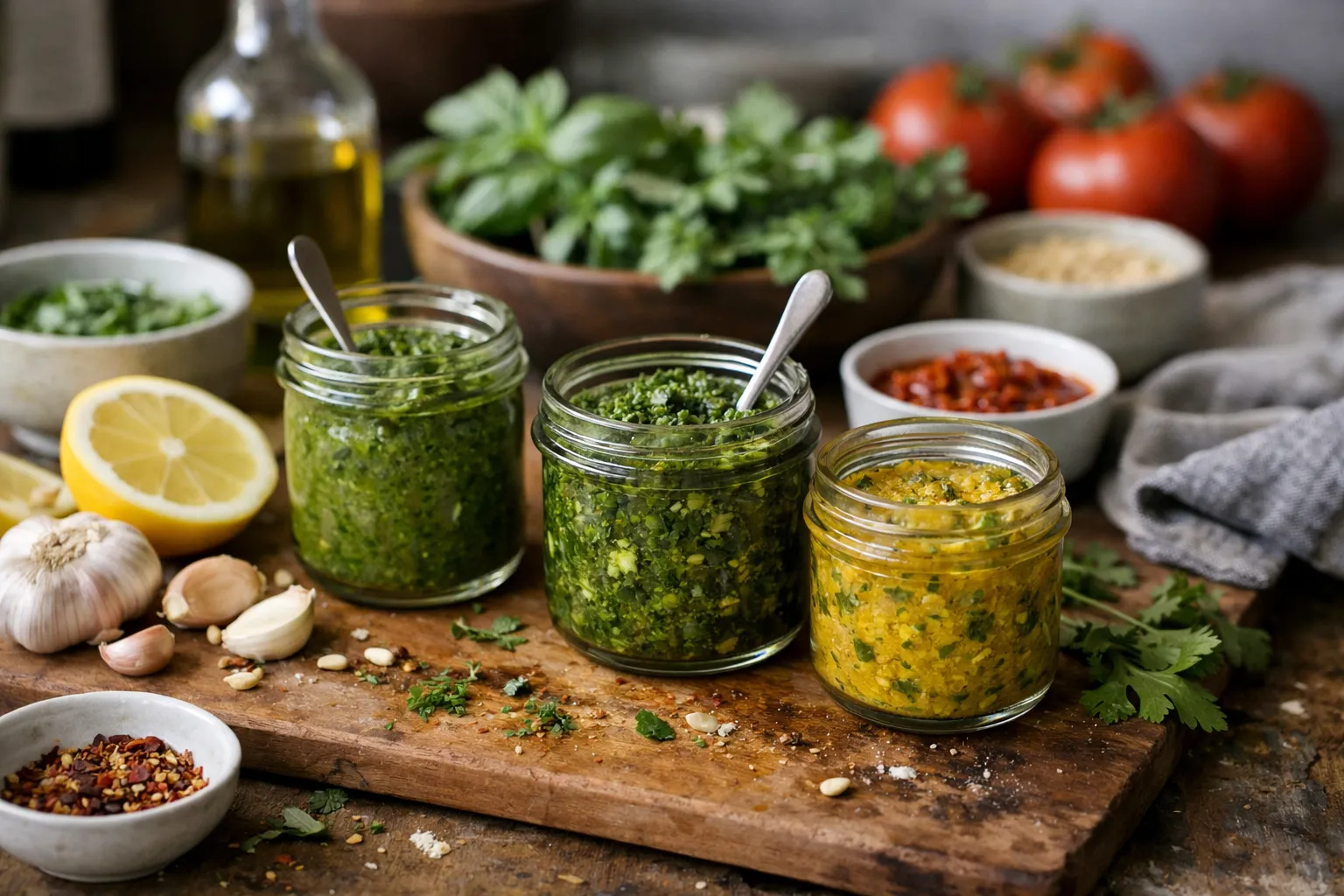
Summer cooking still demands speed, brightness and layered flavor — and in 2026, make-ahead herb pastes are more useful than ever. This updated roundup keeps the original 10 pastes you love but adds fresh context: how recent food-safety guidance and consumer trends (zero‑waste cooking, home herb growing, plant-forward menus) affect preparation and storage; which texture and oil ratios are working in professional kitchens this year; and practical swaps that reflect supply changes and dietary preferences. Selection criteria: versatility across proteins and veg, ease of prep (under 20 minutes), clear allergy/diet swaps, and storage practicality for busy home cooks.
Methodology
To assemble this list I surveyed current cookbooks and chef interviews through mid‑2026, cross-checked food-safety best practices (refrigerate, measure acidity when making shelf-stable preparations) and tested each paste for appearance, aroma retention, and freezer performance. Each paste below includes core ingredients, prep time, cooking method, serving size per batch, and tested dietary swaps. Where storage or safety is critical, I note accepted standards (refrigerate at or below 40°F / 4°C; freeze for long-term storage) and practical mitigations for home cooks.
How to think about herb pastes in 2026
Key variables haven't changed, but priorities have shifted slightly:
- Sustainability: Many cooks now prefer seed or seed‑butter substitutions (sunflower, pumpkin) to reduce reliance on imported tree nuts when prices and supply chain constraints spike.
- Zero‑waste practices: Using herb stems, citrus peels, and toasted leftover bread crumbs in pastes is common on menus and at home.
- Safety and preservation: Avoid storing fresh herb pastes submerged at room temperature. Refrigerate, or freeze in single portions. If you aim for shelf-stable preserves, follow USDA/preservation guidelines or acidify and test pH (4.6) before storing unrefrigerated.
- Texture & tech: High-speed blenders yield silkier emulsions; mortar-and-pestle or a coarse pulse keeps rustic texture that many chefs prefer for finishing dishes.
How to store and scale — updated best practices
Refrigerate pastes in airtight jars with a thin film of oil; they reliably keep 5–10 days chilled. For single-serve convenience, freeze in ice cube trays or silicone molds and transfer cubes to labeled bags — keep up to 3 months. If freezing, leave room for expansion and flash-freeze on a tray before bagging for neater cubes. Vacuum-sealing frozen portions extends freezer quality but does not substitute for refrigeration safety. Important safety note: do not store fresh garlic- or herb-packed oil mixtures at room temperature — anaerobic oil can support Clostridium botulinum growth. When in doubt, freeze.
Roundup: 10 Make‑Ahead Herb Pastes (updated for 2026)
1. Classic Basil Pesto (Italian)
What it is: The familiar blend of basil, nuts, cheese, oil and garlic — updated here with an allergy-friendly and lower‑oil option.
Key features: 2 cups packed basil, 1/3 cup toasted pine nuts (or toasted sunflower seeds), 2 garlic cloves, 1/3 cup grated Parmigiano‑Reggiano (or 2 tbsp nutritional yeast), 1/3–1/2 cup extra‑virgin olive oil, salt and lemon zest to taste.
Prep time: 10–15 minutes.
Why it made the list: Extremely versatile — toss with hot pasta, spread on grilled bread, or mix into chilled potato salad. In 2026 kitchens, nut shortages or climate impacts make seed swaps common; sunflower seeds preserve texture and reduce cost volatility.
Storage: Refrigerate 5–7 days; freeze in 1‑tbsp cubes for single servings.
2. Cilantro‑Lime Chimichurri (Argentinian‑Mexican hybrid)
What it is: Herb-forward, bright, and very forgiving — a staple for summer grilling.
Key features: 1 cup cilantro leaves, 1/2 cup flat‑leaf parsley, 2 garlic cloves, 1/4 cup lime juice, 1/2 cup olive oil (or half oil/half water for a lighter version), 1/2 tsp red pepper flakes, salt.
Prep time: 8–10 minutes.
Why it made the list: Popular with chefs in 2024–26 for finishing fish and tacos; reducing oil and increasing acid makes calorie-conscious versions without losing brightness.
3. Green Harissa (North African)
What it is: Herb-heavy harissa delivering heat and aromatics without the deep red chiles.
Key features: 1 cup cilantro, 1 cup parsley, 2 green chiles (jalapeño/serrano), 1 tsp ground cumin, 2 garlic cloves, 2–3 tbsp olive oil, 2 tbsp lemon juice, salt.
Prep time: 10 minutes (add 5–8 minutes to roast chiles for smoke).
Why it made the list: Green Harissa’s adaptability — mix into mayo, fold into roasted veg — keeps it a top pick. For nightshade-free diets, swap roasted cauliflower and smoked paprika for chile heat.
4. Gremolata (Italian zesty paste)
What it is: Parsley, lemon zest and garlic in concentrated finishing form.
Key features: 1 cup flat‑leaf parsley, zest of 2 lemons, 2 small garlic cloves, 1–2 tbsp olive oil, salt.
Prep time: 5–8 minutes.
Why it made the list: Instant brightener for fish, slow braises and grilled veg; in 2026 chefs often add preserved lemon rind or lemon oil for sustained flavor in batch prep.
5. Persillade (French classic)
What it is: Coarsely chopped parsley and garlic, sometimes with lemon zest — a simple finishing paste.
Key features: 1 cup parsley, 3 garlic cloves, zest of 1 lemon, 1–2 tbsp oil, salt.
Prep time: 5 minutes.
Why it made the list: Fast, flexible and low-tech — excellent for roasted potatoes and grilled veg. Its coarse texture is deliberate and desirable.
6. Thai Basil‑Garlic Paste
What it is: Herbaceous, slightly sweet paste that bridges Southeast Asian flavors and Western practice.
Key features: 1 cup Thai basil, 4 garlic cloves, 2 small shallots, 1 small red chili (optional), 2 tbsp neutral oil, 1 tbsp fish sauce (or tamari), 1 tbsp lime juice.
Prep time: 10 minutes; 2–3 minutes sauté for a milder profile.
Why it made the list: Works as quick stir-fry base, noodle finishing paste, or marinade. In 2026 kitchens, plant-based swaps (tamari + kelp powder) replicate fish sauce umami for vegan diets.
7. Mint‑Caper Salsa Verde (Mediterranean)
What it is: Bright, briny green sauce marrying mint and capers.
Key features: 1 cup mint, 1/2 cup parsley, 2 tbsp capers (rinsed), 2 garlic cloves, 3 tbsp red wine vinegar, 1/2 cup olive oil, salt.
Prep time: 8–10 minutes.
Why it made the list: Excellent on lamb and eggplant; mixing with yogurt for a lighter sauce is a common restaurant shortcut in 2026 (note: yogurt-fortified blends require refrigeration and shorter storage).
8. Walnut & Parsley Salsa (Georgian‑inspired)
What it is: Toasted walnuts give body and creamy bite — a great make-ahead when nuts are on hand.
Key features: 1 cup parsley, 3/4 cup toasted walnuts, 2 garlic cloves, 1 tbsp red wine vinegar, 1/3 cup olive oil, 1/2 tsp ground coriander, salt.
Prep time: 12–15 minutes.
Why it made the list: Heartier and more spreadable than most herb pastes; when tree‑nuts are limited, toasted sunflower seeds are a well-tested substitute.
9. Lemon‑Basil Tahini Paste (Middle East meets Mediterranean)
What it is: Tahini provides richness and emulsifying power so less oil is needed.
Key features: 1 cup basil, 1/3 cup tahini, 2 tbsp lemon juice, 1–2 garlic cloves, 3–4 tbsp water (to loosen), salt.
Prep time: 6–8 minutes.
Why it made the list: Naturally vegan and creamy; an efficient choice when you want a dressing-like paste with protein and mouthfeel.
10. Korean‑Style Scallion‑Garlic Paste (Pa Muchim Paste)
What it is: Scallion-forward paste with toasted sesame or neutral oil and Korean chile powder for depth.
Key features: 2 cups scallions, 2 garlic cloves, 1 tbsp gochugaru (or smoked paprika), 2 tbsp neutral oil, 1 tbsp soy or tamari, 1 tsp rice vinegar, salt.
Prep time: 8–10 minutes.
Why it made the list: Popular as a banchan-style condiment and marinade component; in 2026, chefs often clarify the oil (briefly heating it and pouring hot over scallions) to mellow raw sharpness and increase shelf life slightly when refrigerated.
Comparison Table — Quick reference
| Paste | Best use | Prep time | Fridge life | Freeze tip |
|---|---|---|---|---|
| Classic Basil Pesto | Pasta, grilled veg, sandwiches | 10–15 min | 5–7 days | Freeze in tbsp cubes |
| Cilantro‑Lime Chimichurri | Grilled meats, tacos | 8–10 min | 5–7 days | Freeze in 1‑tbsp portions |
| Green Harissa | Fish, roasted veg, spreads | 10 min (+ roast) | 5–7 days | Freeze in small molds |
| Gremolata | Finishing fish, braises | 5–8 min | 3–5 days | Less ideal — freeze short term |
| Persillade | Roasts, veg, potatoes | 5 min | 3–5 days | Freeze if not used quickly |
| Thai Basil‑Garlic | Noodles, marinades | 10 min | 5–7 days | Freeze in portions |
| Mint‑Caper Salsa Verde | Lamb, yogurt sauces | 8–10 min | 5–7 days | Freeze in small tubs |
| Walnut & Parsley Salsa | Flatbreads, grilled veg | 12–15 min | 5–7 days | Freeze — thaw in fridge |
| Lemon‑Basil Tahini | Dips, dressings, roasted veg | 6–8 min | 5–7 days | Freezes well in cubes |
| Korean Scallion‑Garlic | Banchan, grills, noodles | 8–10 min | 5–7 days | Freeze in small portions |
Practical tips for success — current best practices
- Balance acidity and salt: Herbs need acid and salt to sing. Start with 2/3 of the expected salt and acid, taste after a few minutes, then finish. Lemon and vinegar add brightness and help preservation in refrigerated pastes.
- Mind botulism risk: Do not store herb pastes submerged in oil at room temperature. Refrigerate or freeze. For shelf-stable preservation, follow tested canning/preserving protocols and measure pH — home cooks should avoid room-temperature oil-packed pastes.
- Texture choices: Use mortar & pestle for rustic texture; food processor or high-speed blender for smooth emulsions. Briefly chilling the bowl or blade preserves color.
- Zero‑waste swaps: Use herb stems (blitzed), citrus peels (finely zested), or stale bread crumbs for body. Seed substitutes (sunflower, pumpkin) replace nuts reliably.
- Batch smart: Make two pastes at once that share prep steps (toast all nuts, zest lemons, sauté garlic). Freeze single-serving cubes to reduce waste and speed weeknight cooking.
Quick-use ideas by category (updated)
- Grilling: Chimichurri, Green Harissa, Korean Scallion — apply as marinades or finishing sauces; reserve a spoonful to finish off just before plating.
- Pasta & Grains: Basil Pesto, Lemon‑Basil Tahini, Walnut & Parsley — toss into just‑cooked pasta, toss with warm grains and finish with a squeeze of lemon.
- Vegetables: Persillade, Gremolata, Mint‑Caper Salsa — spoon over roasted or steamed veg immediately after cooking for contrast.
- Seafood: Gremolata and chimichurri are high-impact; use small amounts to highlight rather than mask delicate fish.
- Allergy & diet swaps: Replace nuts with seeds, omit dairy, and use tamari or coconut aminos for gluten‑free or soy‑sensitive diets.
Plan a prep session
Set aside 30–45 minutes one weekend morning to make two or three pastes. Work in stages: toast nuts and seeds, zest citrus and reserve, sauté any aromatics that will be softened, then blitz herbs in batches. Label jars with paste type and date; freeze single-serve cubes on a tray and transfer to vacuum bags or zip-top bags once solid.
Make-ahead herb pastes remain a small investment that repays all summer (and beyond) with dramatic speed and flavor. The 2026 kitchen favors lower‑oil emulsions, seed-based nuts substitutes, and strict refrigeration/freezing to manage safety — follow those practices and a spoonful will transform weeknight meals.
FAQ
Can I store herb pastes safely in oil at room temperature?
No. Storing fresh herb or garlic pastes submerged in oil at room temperature creates an anaerobic environment that can support the growth of Clostridium botulinum. Always refrigerate herb pastes (≤40°F / 4°C) and use within 5–10 days, or freeze for longer storage. For shelf‑stable preservation, follow tested canning/pickling protocols and measure pH.
Do frozen herb pastes lose their flavor or color?
Some loss of bright green color can occur due to cell damage during freezing, but flavor is largely retained. Flash-freeze small portions on a tray before bagging to reduce clumping; adding a small amount of oil or lemon juice before freezing can help preserve aroma and texture.
What are reliable nut-free substitutes for pesto or walnut-based pastes?
Toasted sunflower seeds, pumpkin seeds, or hulled hemp seeds deliver similar fat content and texture. Increase acidity (lemon or vinegar) slightly to lift the flavor when substituting, and toast seeds briefly for depth.
How can I make pastes lower in oil without compromising mouthfeel?
Use tahini or nut/seed butter as an emulsifier (reduces added oil), increase acidic components (lemon, vinegar) for brightness, and add a tablespoon of starchy water from cooking pasta or a little plain yogurt at service time for creaminess (note: yogurt shortens refrigerated shelf life).