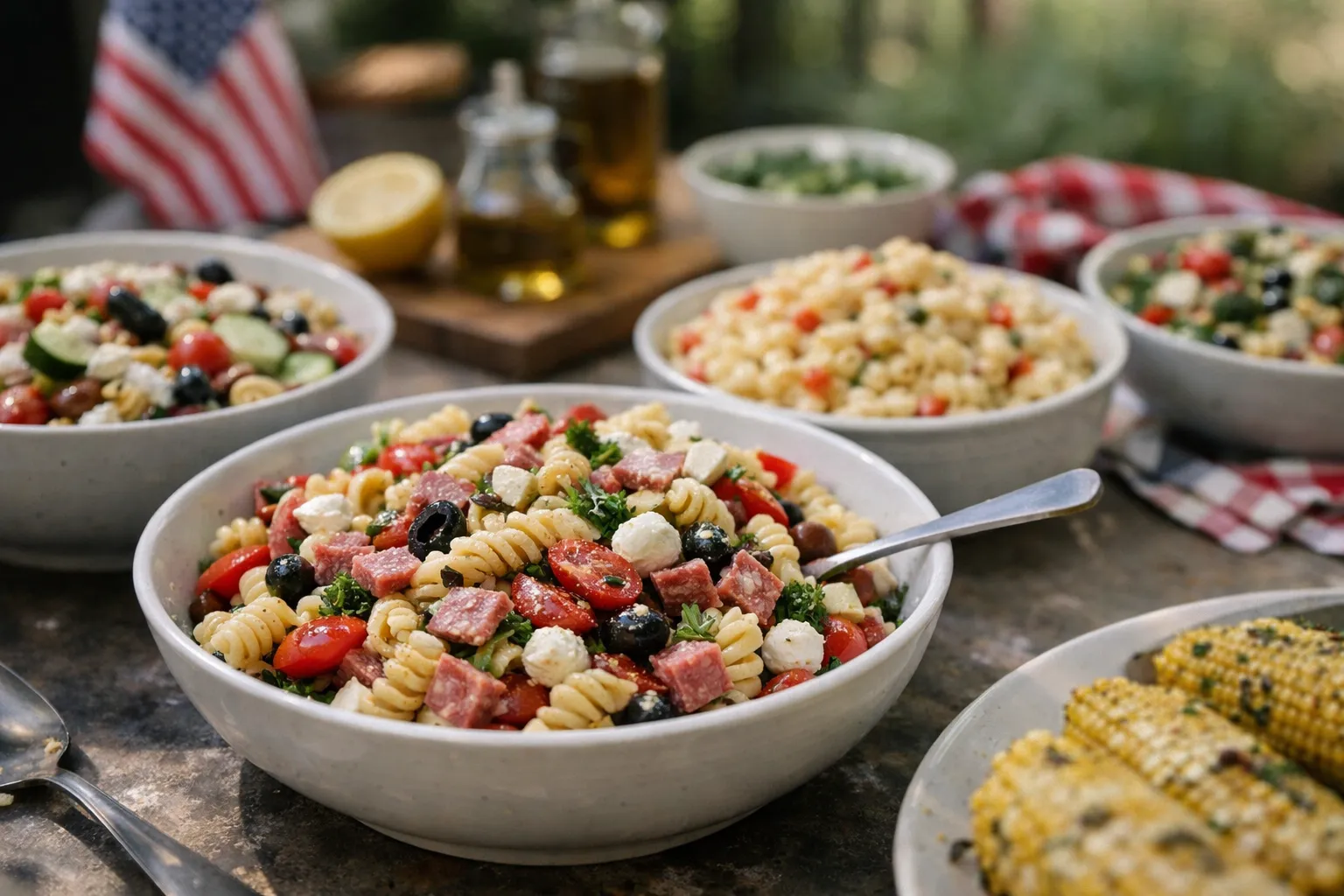
Cold pasta salads remain a go-to for end-of-summer gatherings, back‑to‑school potlucks and easy weeknight meals. This updated September 2026 roundup keeps the original structure—Quick, Make‑Ahead, Grill‑Forward and Protein‑Packed—but adds timely guidance: ingredient trends from 2026, tighter food‑safety recommendations, practical swaps for higher grocery prices, and small technique changes that improve texture for popular new pastas (legume‑based, quinoa blends, chickpea penne).
Methodology
I selected 12 salads to cover a range of use cases (last‑minute sides, transportable picnic dishes, smoky grill partners and filling mains). Each recipe entry lists core ingredients, realistic prep time, cooking method, servings and practical dietary swaps. Selections reflect shopping and pantry trends through mid‑2026 (wider retail availability of legume‑based pastas, more jarred roasted produce, and an increased home interest in plant-forward dishes), and each entry includes up‑to‑date storage and safety notes relevant for home cooks.
Quick (≤20 minutes): Pasta Salads You Can Toss Together
1. Classic Greek Orzo Salad
- What it is: Bright orzo salad with tomato, cucumber, olives and feta in lemon‑oregano vinaigrette.
- Key features: Fast to assemble; excellent warm‑to‑cold carryover when orzo is tossed while still slightly warm.
- Why it made the list: Universally popular potluck side and easy to scale.
- Details: Prep 15–20 minutes. Serves 4 as a side (6 as a light side). Use oil‑packed kalamata and finish with extra lemon. For vegan: replace feta with marinated tofu or olive tapenade. For GF: swap orzo for a small‑shape GF pasta (note: cook times vary).
2. Lemon‑Garlic Angel Hair with Peas & Mint
- What it is: Capellini tossed with zesty lemon‑garlic oil, blanched peas and fresh mint.
- Key features: Ready in 12–15 minutes; naturally vegan and low‑fat variations easy.
- Why it made the list: Speed and bright flavor — good for weeknight meals.
- Details: Use a microplane for zest. For lower oil, stir in a tablespoon of pasta water for silkiness.
3. Pesto Caprese Rotini
- What it is: Rotini, basil pesto, cherry tomatoes and mini mozzarella, finished with balsamic.
- Key features: Familiar crowd-pleaser; adapts to nut‑free or seed‑based pestos (a 2024–26 pantry shift because pine nut costs remain elevated).
- Why it made the list: Classic flavor profile and easy make‑ahead; pesto benefits from resting with pasta for an hour.
- Details: Prep 15–18 minutes. For nut‑free pesto use roasted pumpkin seeds or sunflower seeds; for vegan replace mozzarella with canned chickpeas for texture and protein.
Make‑Ahead & Picnic‑Friendly: Prep the Day Before
4. Tuna, White Bean & Farfalle Salad
- What it is: Farfalle combined with oil‑packed tuna and cannellini beans, brightened with lemon and parsley.
- Key features: Holds up well; oil from tuna can be adjusted before serving to avoid sogginess.
- Why it made the list: Travel‑friendly protein option for potlucks.
- Details: Prep 20–30 minutes. Serves 6. For vegetarian, increase beans and add roasted mushrooms or marinated hearts of palm.
5. Chilled Sesame Soba Noodle Salad (Asian‑inspired)
- What it is: Soba with shredded cabbage, carrot, scallions and a soy‑sesame dressing.
- Key features: Make‑ahead friendly; tamari recommended for gluten‑free if using certified GF soba.
- Why it made the list: Versatile, stores well and benefits from a day to let flavors meld.
- Details: Prep 20–25 minutes. Add grilled tofu or shelled edamame for extra protein; garnish with toasted sesame seeds just before serving to preserve crunch.
6. Mediterranean Pasta with Roasted Peppers & Olives
- What it is: Gemelli or penne with jarred or home‑roasted peppers, Castelvetrano olives and capers in a red‑wine vinaigrette.
- Key features: Roasted produce accentuates over 4–24 hours — this improves with resting time.
- Why it made the list: A reliably flavorful make‑ahead option; jarred roasted peppers are widely available and labor‑saving in 2026 grocery assortments.
- Details: Prep 30–40 minutes. Serves 6. Add grilled chicken for meat eaters or preserved artichokes for more texture.
Grill‑Forward & Charred Veg: Smoky, Bright Salads
7. Grilled Corn & Zucchini Penne with Chili‑Lime Dressing
- What it is: Penne tossed with charred zucchini, grilled corn and a chili‑lime dressing; cotija optional.
- Key features: Uses late‑summer corn; grilling in the husk or directly on the grates adds smoke that transfers to the salad.
- Why it made the list: Pairs well with burgers or vegetarian kebabs; good summer‑into‑early‑fall transition dish.
- Details: Prep 25–35 minutes. For milder heat use smoked paprika; omit cheese for dairy‑free versions.
8. Charred Shrimp & Orzo Salad with Avocado
- What it is: Orzo, quick‑charred shrimp, avocado and grape tomatoes with a lime‑cilantro dressing.
- Key features: Fast grilling; shrimp adds a light seafood main option.
- Why it made the list: Works as a light main; shrimp swaps easily for grilled halloumi or tofu for vegetarians.
- Details: Prep 20–30 minutes. Food‑safety note: keep chilled and consume within recommended hold times (see storage section).
9. Smoky Grilled Eggplant & Feta Pasta Salad
- What it is: Small shells, smoky grilled eggplant, paprika vinaigrette and crumbled feta.
- Key features: Charred eggplant gives depth; suits both warm‑weather and cooler evenings.
- Why it made the list: Flavor‑forward vegetarian option that stands up to bold mains.
- Details: Prep 30–40 minutes. For vegan, use a shelf‑stable vegan feta or marinated mushrooms instead of cheese.
Protein‑Packed & Dietary‑Friendly: Substantial Cold Bowls
10. Chickpea & Sun‑Dried Tomato Rotini (Vegan, High Protein)
- What it is: Whole‑wheat or legume pasta with chickpeas, sun‑dried tomatoes, arugula and lemon‑tahini dressing.
- Key features: High‑protein, plant‑forward; legume pastas are now mainstream in many retailers (2024–26 adoption increased home cooks' access).
- Why it made the list: Satiety, portability and protein content make this a solid main for picnics.
- Details: Prep 20–25 minutes. For nut‑free swap tahini with sunflower seed butter; for extra texture, roast the chickpeas until crunchy before folding in.
11. Cold Salmon, Dill & Cucumber Pasta Salad
- What it is: Small shells with cold‑poached or smoked salmon, cucumber and a yogurt‑dill dressing.
- Key features: Elegant, protein‑rich main; smoked salmon varieties remain widely available from retailers and sustainable aquaculture suppliers in 2026.
- Why it made the list: Great for chilled buffet mains; salmon can be poached a day ahead and flaked.
- Details: Prep 20–30 minutes. For lactose‑free use dairy‑free yogurt; safety: keep chilled and follow seafood hold guidance below.
12. Gluten‑Free Quinoa Pasta Salad with Kale & Lemon‑Tahini
- What it is: Quinoa/chickpea pasta with massaged kale, roasted chickpeas and lemon‑tahini dressing.
- Key features: Hearty, GF‑friendly and holds up well for meal prep.
- Why it made the list: Addresses dietary needs while staying substantial as a main or side.
- Details: Prep 25–35 minutes. Tip: cook GF pastas per package and rinse briefly to stop carryover cooking; chickpea and quinoa pastas can get gummy if overcooked.
Comparison Table — Quick Reference
| Salad | Best for | Prep time | Serves | Dietary highlights |
|---|---|---|---|---|
| Classic Greek Orzo | Last‑minute side | 15–20 min | 4 (side) | Vegan & GF swaps |
| Lemon‑Garlic Angel Hair | Weeknights | 12–15 min | 4 | Vegan |
| Pesto Caprese Rotini | Make‑ahead | 15–18 min | 4–6 | Nut‑free pesto option |
| Tuna & Farfalle | Potluck | 20–30 min | 6 | High protein |
| Sesame Soba | Picnic | 20–25 min | 4–6 | GF with tamari |
| Mediterranean Roasted Pepper | Make‑ahead | 30–40 min | 6 | Vegetarian |
| Grilled Corn & Zucchini | Grill sides | 25–35 min | 4–6 | Dairy optional |
| Charred Shrimp & Orzo | Light main | 20–30 min | 4 | Seafood |
| Smoky Eggplant & Feta | Vegetarian | 30–40 min | 4–6 | Cheese option |
| Chickpea & Sun‑Dried Tomato | Protein main | 20–25 min | 4 | Vegan, high protein |
| Cold Salmon & Cucumber | Buffet main | 20–30 min | 4 | Seafood |
| GF Quinoa Pasta & Kale | Dietary‑friendly | 25–35 min | 4–6 | Gluten‑free |
How to Choose, Scale and Store (2026 updates)
Which salad to make? Match the recipe to timing and transport needs: Quick section for last‑minute sides; Make‑Ahead for travel and potlucks; Grill‑Forward alongside charred mains; Protein‑Packed when you need a no‑fuss main. Recent pantry trends through 2026 mean you’ll see more legume and ancient‑grain pastas—adjust cooking times downward and rinse to stop carryover cooking to avoid a gummy texture.
- Scaling: Most salads scale linearly—double the pasta and dressing but taste for seasoning intensity. When multiplying pesto or vinaigrette, reduce acid slightly and add to taste.
- Make‑ahead: Dress lightly if you plan to sit more than 4 hours; reserve additional dressing and add just before serving to refresh texture.
- Storage & safety: Follow FDA/USDA guidelines: keep perishables at 40°F (4°C) or below; discard perishable salads left out more than 2 hours (1 hour above 90°F). Salads containing cooked seafood should be consumed within 24 hours when kept chilled. Mayonnaise/dairy‑based salads are best within 3 days refrigerated. Use airtight containers and cool hot pasta quickly (spread in a shallow pan and refrigerate) to minimize time in the danger zone.
- Refreshing tips: To revive a slightly dry salad, toss with 1–2 tablespoons warm water or reserved pasta water and a swirl of oil; for creamy salads, a squeeze of lemon brightens flavors.
2026 trends and practical context
Two pantry realities in 2026 matter to home cooks: legume‑based pastas are now widely available and worth trying for texture and protein, but they have shorter cook windows; and many cooks continue to favor shelf‑stable or jarred roasted produce as a labor‑saving, flavor‑forward ingredient. Also, sustainability-conscious choices—using more legumes and fewer animal proteins—remain popular for both environmental and cost reasons. Finally, nut prices stabilized since 2025 but many cooks still prefer seed‑based pestos or blended seed substitutes for allergy‑friendly options.
Conclusion — Which is best right now?
Best overall: Classic Greek Orzo — simple, fast, adaptable and reliably popular at gatherings. Best for a quick weeknight: Lemon‑Garlic Angel Hair. Best for a potluck or picnic: Tuna, White Bean & Farfalle (makes a large bowl, travels well). Best plant‑forward main: Chickpea & Sun‑Dried Tomato Rotini. Follow the updated storage and seafood guidance above to keep your salads safe, and lean on legume pastas for extra protein while watching their cook times.
FAQ
How long can I safely keep a cold pasta salad in the refrigerator?
Most pasta salads (without cooked seafood) keep 3–4 days refrigerated at 40°F (4°C) or below. Mayonnaise/dairy‑based salads are best within 3 days. Salads containing cooked or raw seafood are safest consumed within 24 hours when kept cold; discard any perishable dish left out more than 2 hours (1 hour above 90°F).
Can I use legume‑based pasta in every recipe?
Yes, but cook times and texture differ. Legume pastas (chickpea, lentil) can get gummy if overcooked—aim for firm al dente, rinse briefly under cold water to stop cooking, and toss with a little oil to prevent clumping. For delicate sauces (pesto), use slightly less sauce until you’re familiar with the pasta’s absorption.
What’s the best way to prevent watery salads from jarred vegetables?
Drain jarred roasted peppers or artichokes well and pat dry with paper towels. If using fresh tomatoes that bleed, seed and salt them lightly and let them sit in a strainer for 10–15 minutes. For cucumbers, remove seeds or salt and squeeze out excess moisture before adding.
How can I scale a recipe for a 20‑person potluck?
Scale pasta and dressing proportionally, but scale aromatics (garlic, chiles, citrus) more conservatively—taste as you go. Prepare in batches for even cooling and to keep dressings emulsified; transport in two containers if necessary to reduce weight and shaking.
Any tips to make pasta salads more sustainable in 2026?
Use legume or ancient‑grain pastas for higher protein per serving and lower carbon intensity, add more pulses (chickpeas, lentils) and build flavor with charred vegetables and preserved ingredients instead of relying solely on animal proteins. Reduce single‑use packaging by bringing salads in reusable airtight containers.