
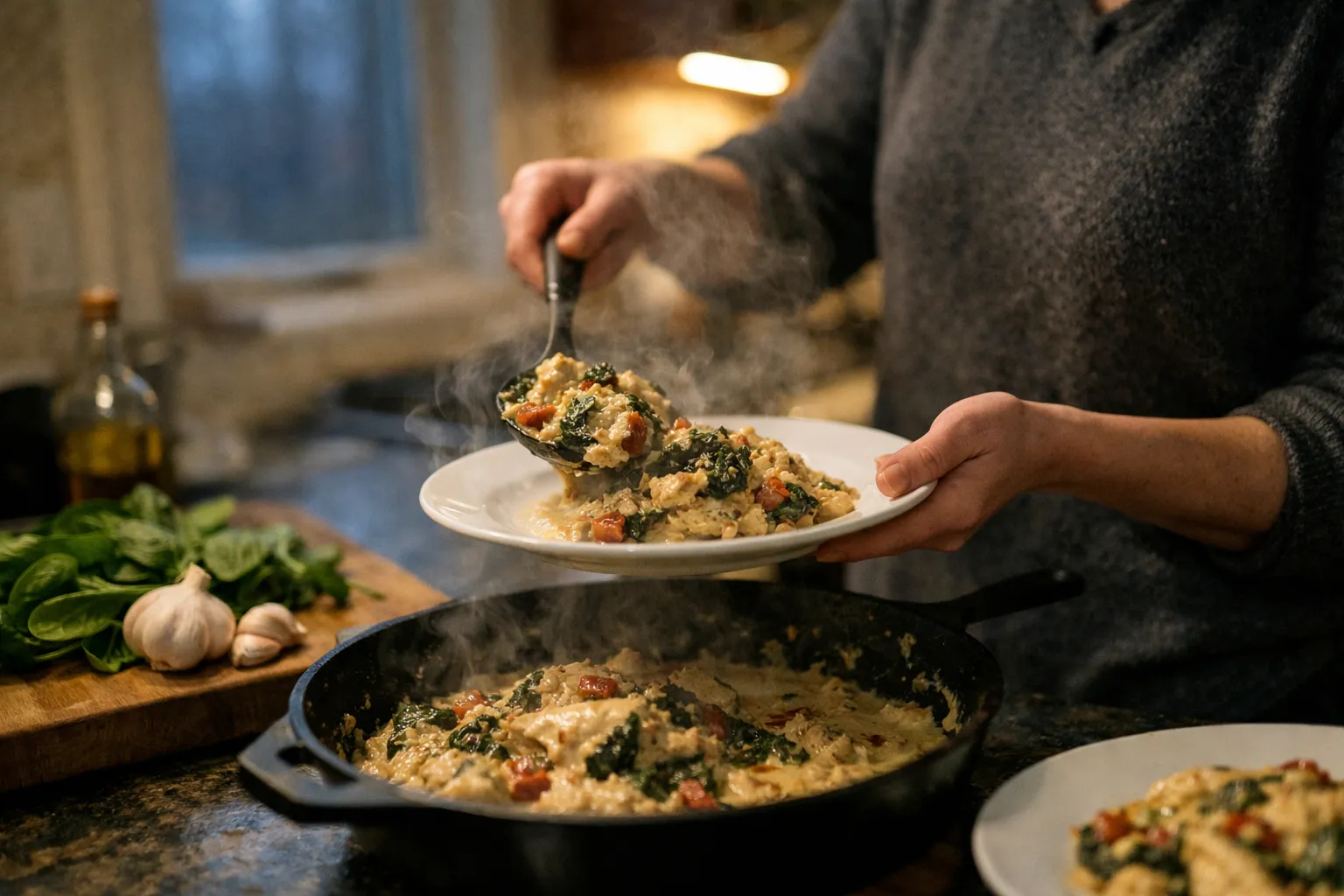
August 2026 update: Winter dinners that actually land on the table on weeknights need to solve three problems: time, pantry reality, and flavor. This refreshed roundup preserves the promise of the original piece—12 cozy, one-skillet dinners you can make in roughly 30 minutes—while updating for what home cooks are finding in stores and on shelves in August 2026: better plant-based creams and cheeses, more convenient pre-cooked proteins and grains, and continued attention to lower-sodium, higher-veg meals.
What’s being rounded up?
Twelve winter-ready, one-skillet dinners that focus on browning, cozy sauces, and pantry-friendly substitutions. Each entry explains what it is, key ingredients with August 2026-friendly alternatives, the basic cooking method, realistic prep time, serving size, and straightforward dietary swaps you can make without reinventing the dish.
Methodology: How these recipes made the updated list
I used four practical criteria that matter in a real home kitchen today:
- Weeknight feasibility: Minimal chopping, one 10–12" skillet, and common small tools. I assume readers have either a reliable nonstick or a heavy stainless skillet and either gas, electric, or induction heat.
- Winter comfort: Techniques that create richness quickly—browning, deglazing, and brief reductions—that mimic slow cooking without the time commitment.
- Pantry and retail reality (Aug 2026): Wider availability of unsweetened oat and cashew creams, improved melting plant-based cheeses, single-serve cooked grains and legumes in pouches, and more frozen pre-chopped veg—ingredients I consider acceptable short-cuts.
- Built-in flexibility and health sense: Clear, tested swaps for lower sodium, dairy-free, vegetarian, and lower-saturated-fat versions so you can keep flavor while aligning with health goals.
Recipe-testing note: Timing assumes you preheat while you prep and use a large, hot skillet so food browns instead of steams. Browning is the shortcut to depth—don’t skip it. If you hear the sizzle, you’re on the right track.
1) Creamy Tuscan Chicken with Sun‑Dried Tomatoes (Skillet)
What it is: Seared thin-cut chicken in a garlicky, tangy cream sauce with sun-dried tomatoes and spinach—restaurant-ish comfort in about 30 minutes.
Key ingredients: thin cutlets or boneless thighs, garlic, sun-dried tomatoes, baby spinach, low-sodium chicken broth, heavy cream or unsweetened oat/cashew cream, Parmesan or firm vegan hard-style crumble, Italian seasoning.
Why it made the list: High payoff for minimal work. In August 2026 you'll find richer non-dairy creams and improved vegan hard cheeses that hold up in sauce—use them for a lighter profile.
Tip: Let the stock reduce 2–3 minutes before adding cream to concentrate flavor. If the sauce looks thin, simmer uncovered 1–2 minutes more; it will cling to the chicken.
2) Lemon‑Dill Salmon with Crispy Smashed Potatoes (Skillet + Lid)
What it is: Skin-on salmon seared to crisp with lemon-dill oil, paired with smashed baby potatoes for contrast.
Key ingredients: responsibly-sourced salmon (look for traceability labels at your retailer), baby potatoes (parboiled or pre-cooked pouches), lemon, fresh dill or preserved dill oil, olive oil or butter.
Why it made the list: The crisp skin and lemon cut through winter richness. Pro tip: in 2026 many grocery chains sell par-cooked baby potatoes in steam-pouches—use them to save time and reduce active cooking.
Here’s what it should look like: The salmon should release from the pan once the skin is properly golden—if it sticks, give it another 30–45 seconds. Pat fish dry before searing.
3) Spicy Chickpea & Spinach “Shakshuka-ish” Skillet
What it is: A tomato-based chickpea skillet with warming spices and optional eggs—pantry-friendly and hearty.
Key ingredients: canned or pouch chickpeas (low-sodium), crushed tomatoes, roasted red peppers, garlic, cumin, smoked paprika, spinach, eggs or plant-based topping, feta or plant-based crumble.
Why it made the list: Legumes are efficient protein and shelf-stable. In 2026 look for vacuumed or retort-packed chickpeas that skip the long soak and offer fresher texture.
Don’t skip this: Simmer the tomatoes at least 5 minutes so the canned edge sweetens into depth. If you want extra umami, stir in a teaspoon of miso or a splash of soy sauce near the end.
4) One‑Skillet Gnocchi with Sausage, Kale & Parmesan
What it is: Pan-crisped store-bought gnocchi tossed with browned sausage and kale—textural comfort that’s forgiving.
Key ingredients: potato gnocchi (frozen or refrigerated), Italian sausage or plant-based sausage, kale, onion, garlic, low-sodium broth, Parmesan or fortified nutritional yeast.
Why it made the list: Crisping gnocchi gives almost instant texture. In 2026 you'll find better cauliflower or chickpea-based gnocchi for lower-carb or higher-protein variations—treat them the same, but watch cooking times.
Common mistake: Overcrowding the pan. Work in batches so each piece gets a golden edge.
5) Ginger‑Garlic Ground Turkey & Green Bean Stir‑Fry (Skillet)
What it is: A glossy stir-fry of ground turkey (or tofu) with ginger, garlic, and green beans—fast, layered flavor.
Key ingredients: ground turkey or extra-firm tofu, fresh or frozen trimmed green beans, ginger, garlic, tamari (low-sodium soy), rice vinegar, a touch of honey or maple, sesame oil.
Why it made the list: Uses quick proteins and frozen veg for minimal prep. Frozen trimmed green beans and pre-minced ginger (found at most stores now) save time without sacrificing flavor.
Here’s what it should look like: Sauce should cling to the protein and beans. If it’s watery, whisk a 1:1 cornstarch slurry (1 tsp cornstarch + 1 tsp cold water) and stir it in, cooking 30–60 seconds to thicken.
6) Skillet French Onion White Beans (Vegetarian)
What it is: Cannellini beans in a deeply caramelized onion gravy—satisfying and cozy without a broiler.
Key ingredients: lots of onions, canned white beans (rinsed), garlic, thyme, low-sodium broth, Dijon, butter or olive oil, optional gruyère or plant-based melt.
Why it made the list: It captures slow-simmered comfort in under 30 minutes when you focus on high-heat caramelization and deglazing. In 2026 plant-based melting cheeses perform much better for topping if you prefer dairy-free.
Don’t skip this: Deglaze thoroughly and scrape the fond—those browned bits are concentrated flavor that mimic long cooking.
7) Smoky Black Bean Taco Skillet with Rice (One‑Pan)
What it is: One-pan taco rice where rice simmers in spiced tomato broth with black beans and corn—complete dinner from pantry staples.
Key ingredients: canned black beans (rinsed), white or quick-cook brown rice pouches, canned tomatoes, frozen corn, chili powder, cumin, cheddar or plant-based cheddar, lime.
Why it made the list: Built for pantry resilience. In August 2026 many brands sell seasoned, pre-cooked rice pouches that cut total time and keep the one-pot promise.
Common mistake: Lifting the lid too often. Let the rice steam until nearly done, then finish uncovered if you need to reduce liquid.
8) Creamy Mushroom & Spinach Orzo (Risotto‑Style)
What it is: Orzo cooked risotto-style to a creamy finish without heavy cream—loaded with mushrooms and lemon brightening.
Key ingredients: orzo or small pasta, cremini or mixed mushrooms, shallot, garlic, low-sodium broth, spinach, Parmesan or yeast-based vegan alternative, lemon zest.
Why it made the list: Orzo reaches a risotto-like creaminess quickly. A final swirl of unsweetened oat cream (common now in supermarkets) adds silk without heaviness.
Here’s what it should look like: Saucy, not soupy—the path your spoon leaves should slowly fill in.
9) Harissa Shrimp with Cherry Tomatoes & Couscous (Fast Skillet)
What it is: Harissa-spiced shrimp in a quick tomato pan sauce, served over quick-steep couscous—done fast, with heat and brightness.
Key ingredients: peeled shrimp (thawed), harissa paste, cherry tomatoes, garlic, lemon, quick-cook couscous or pre-steamed whole-grain couscous, parsley.
Why it made the list: Shrimp cooks in minutes and pairs well with spice. In 2026 look for responsibly sourced frozen shrimp options and single-serve couscous cups for even quicker service.
Don’t skip this: Pat shrimp very dry so they caramelize instead of steaming. That caramelization is flavor.
10) Skillet Meatballs in Marinara with Broccoli Rabe
What it is: Meatballs—store-bought or homemade—simmered in marinara with broccoli rabe cooked alongside for a simple, complete plate.
Key ingredients: meatballs or plant-based meatballs, jarred or homemade marinara (look for lower-sugar), garlic, broccoli rabe or broccolini, red pepper flakes, fresh mozzarella optional.
Why it made the list: Store-bought meatballs save time and many brands (including plant-based) now offer solid texture and flavor. Cook the greens until stems are just tender and leaves still vibrant.
Common mistake: Overcooking the greens. Aim for bright color and a little bite.
11) Cabbage & Kielbasa Skillet with Mustard Cream
What it is: Browned kielbasa or smoked sausage with sweet sautéed cabbage and a tangy mustard finish—simple, filling, and economical.
Key ingredients: kielbasa or smoked sausage (several high-quality plant-based options now mimic the texture), green cabbage, onion, Dijon or whole-grain mustard, broth, a splash of cream or unsweetened plant yogurt.
Why it made the list: Minimal ingredients, maximal satisfaction. If you need lower sodium, rinse pre-cooked sausage and finish with lemon to brighten instead of more salt.
12) Skillet Lasagna with Spinach (No‑Boil)
What it is: Broken lasagna noodles simmered in sauce with ricotta and spinach—lasagna comforts without a casserole dish or oven time.
Key ingredients: broken no‑boil noodles or short pasta, marinara, cooked ground beef or lentil/mushroom mix, ricotta or plant-based ricotta, spinach, mozzarella or vegan melt.
Why it made the list: All the lasagna flavor with fewer dishes. Add water gradually so the pasta remains saucy; in 2026 no‑boil pasta brands are more consistent, which helps timing.
Don’t skip this: Add liquid gradually and stir so noodles hydrate evenly; stop when the texture is just tender.
Comparison table: Quick reference
| Dish | Prep time | Method | Serves | Best for |
|---|---|---|---|---|
| Creamy Tuscan Chicken | 10–12 min | Sear + pan sauce | 4 | Comfort, easy swaps |
| Lemon‑Dill Salmon + Potatoes | 10–20 min | Crisp + sear | 4 | Seafood weeknight |
| Chickpea & Spinach Skillet | 8–10 min | Simmer + cover | 4 | Pantry vegetarian |
| Gnocchi + Sausage + Kale | 10–12 min | Brown + pan‑fry | 4 | Fast comfort |
| Ginger‑Garlic Turkey Stir‑Fry | 10 min | Stir‑fry | 4 | Takeout-style speed |
| French Onion White Beans | 10 min | Caramelize + deglaze | 4 | Vegetarian comfort |
| Black Bean Taco Rice | 8–10 min | One‑pan simmer | 4–5 | Pantry-friendly |
| Mushroom‑Spinach Orzo | 10–12 min | Sauté + simmer | 4 | Creamy but light |
| Harissa Shrimp + Couscous | 10 min | Sear + quick sauce | 4 | Spicy, bright |
| Meatballs + Broccoli Rabe | 5–10 min | Simmer + steam | 4 | Family-friendly |
| Cabbage + Kielbasa | 10–15 min | Brown + sauté | 4 | Budget winter veg |
| Skillet Lasagna | 10 min | Simmer pasta in sauce | 5–6 | Leftovers & comfort |
Conclusion: Best overall and best for specific needs
Best overall weeknight win: One‑Skillet Gnocchi with Sausage, Kale & Parmesan. It’s forgiving, quick, and textural. The crisped gnocchi and simple sauce provide maximum comfort with minimal babysitting.
Best vegetarian comfort: Skillet French Onion White Beans. It channels classic winter coziness using pantry beans and bold caramelization instead of long simmering.
Best pantry/freezer option: Smoky Black Bean Taco Skillet with Rice. Pull it from canned and frozen staples when you want reliable, low-cost dinners with minimal shopping.
If you take one technique from this update, take this: embrace high-heat browning and purposeful deglazing. Sear, don’t crowd, then deglaze with stock, wine, or even a splash of vinegar. Those browned bits and short reductions are the fastest way to make weeknight food taste layered and “slow-cooked.”
Grandma’s kitchen note: Keep a small “winter skillet kit”: onions, garlic, canned beans, crushed tomatoes, low-sodium broth, frozen greens, one quick protein (canned tuna, pre-cooked sausage, or frozen shrimp), and a jar of roasted peppers. In 2026, adding an unsweetened oat cream and a tub of plant-based ricotta widens your options without extra work.
How should I adapt these if I’m watching sodium or saturated fat?
Choose low-sodium canned goods when possible and rinse canned beans under cold water to reduce surface sodium and canning liquid. Use unsweetened oat, cashew, or pea creams instead of heavy cream, swap fatty sausage for lean turkey or plant-based sausages, and finish with acid—lemon or vinegar—to brighten flavors so you need less salt. A small grate of strong cheese goes farther than a heavy sprinkle.
Can I meal-prep elements ahead to make these faster during the week?
Yes. Par‑cook potatoes, pre-roast cherry tomatoes, or cook a batch of rice and freeze in single portions. Pre-chop an onion and store it in an airtight container for up to three days. Use pre-cooked grain and legume pouches honestly when you need speed—these are time-savers, not cheats.
How do I make these dishes vegan without losing texture?
Choose firm plant proteins—extra-firm tofu, tempeh, or quality plant-based sausages. Use cashew or oat creams for richness and nutritional yeast or fortified vegan cheeses for savory depth. For egg-topped dishes, try a dollop of seasoned silken tofu or a spoonful of tahini mixed with lemon to mimic richness.
How should I store and reheat leftovers safely?
Cool leftovers quickly and refrigerate within two hours (one hour in a very warm kitchen). Store in shallow containers and reheat until steaming hot throughout—use a stovetop skillet for best texture. Seafood leftovers are best eaten within 24 hours; for shrimp and salmon, plan to eat the next day where possible.
Any gear that will help these dinners in 2026?
A heavy 10–12" stainless skillet for fond development and a reliable nonstick for egg-topped or delicate foods are the two essentials. An instant-read thermometer speeds confidence for poultry and fish. A splatter screen and good tongs will save you from stove-side stress. If you have an air-fryer, it’s useful for finishing crisp edges quickly, but it’s optional.
FAQ
Can I substitute frozen vegetables for fresh in every recipe?
Yes—frozen vegetables are often frozen at peak ripeness and work well in skillet dishes. Reduce added liquid slightly, and add frozen greens toward the end so they don't overcook. For best texture, thaw and pat dry if you want crispness (for sautéed items like gnocchi or potatoes).
How do I know when my skillet sauce has reduced enough?
Watch for the sauce to thicken and coat the back of a spoon. For pasta and gnocchi dishes, drag your spoon through; the trail should slowly fill in. If it runs immediately, it needs another minute or two.
What’s the fastest way to reduce sodium without losing flavor?
Rinse canned beans, use low-sodium broth, and rely on acid—lemon, vinegar, or a little mustard—to lift flavors. Toast whole spices briefly at the start of cooking to release aroma and deepen flavor without salt.
Is it worth using store-bought plant-based creams and cheeses?
Yes. By 2026 many unsweetened oat, cashew, and pea-based creams and improved plant cheeses deliver the texture and melt necessary for these skillet sauces. Use them where you want to cut saturated fat or accommodate dairy-free guests; taste and texture have come a long way.
If you try one of these tonight, send a note—I'd love to hear which shortcut changed your weeknight routine. —Maria Santos