
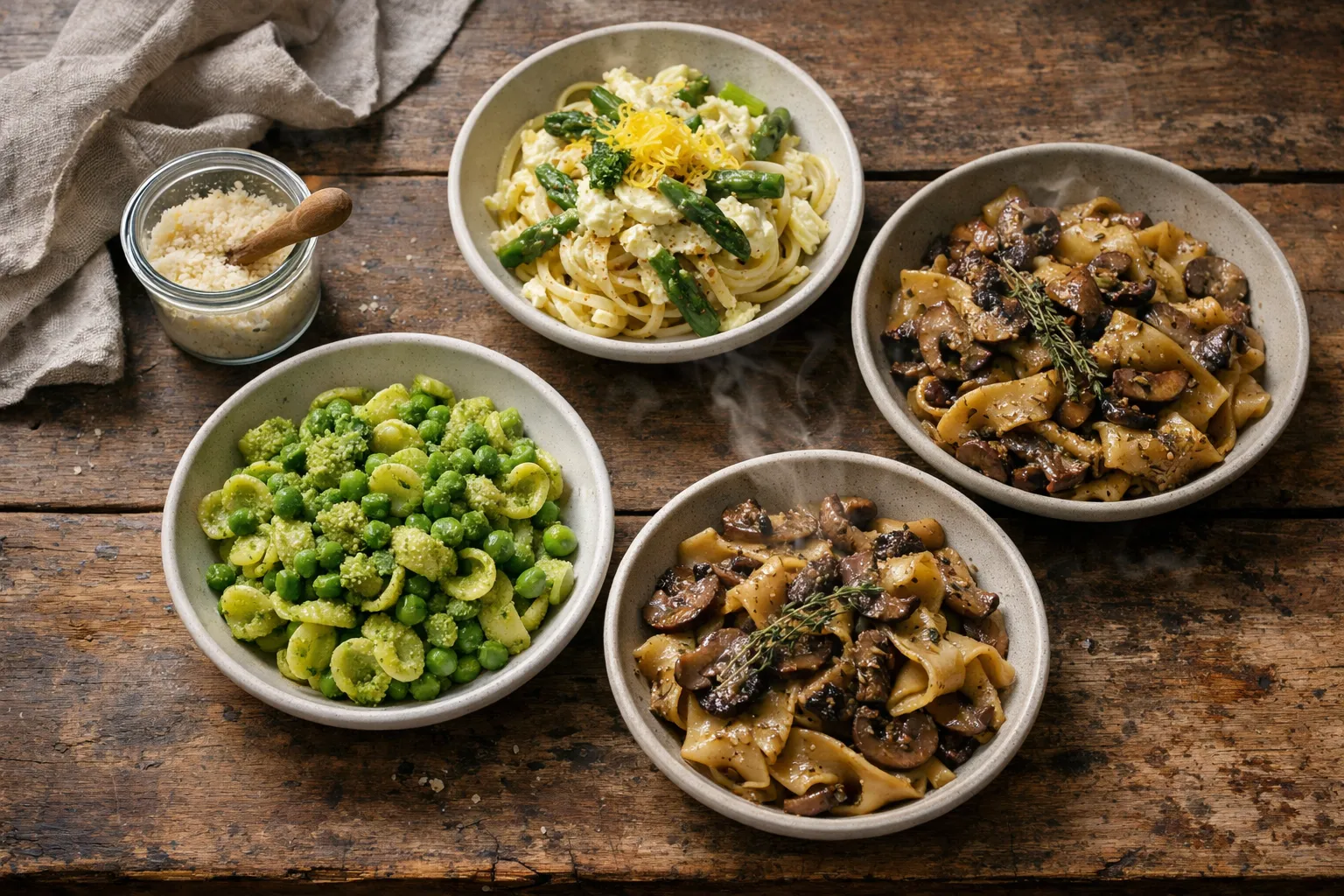
When the week crowds in and you want dinner that tastes like you cared without fussing for hours, a quick, dependable pasta sauce is everything. I’m Maria Santos — I learned to cook from my grandmother and test each recipe in a real home kitchen — and this August 2026 update keeps the original spirit: 12 sauces that come together in 15–30 minutes. This refresh adds late-summer swaps, test-kitchen notes from energy- and waste-conscious cooking, and a few new pantry realities I’m seeing on readers’ stovetops this year.
How I chose and tested these sauces
Selection criteria (revised Aug 2026): each sauce must be doable in 15–30 minutes, rely on 6–10 common ingredients, suit a clear use case (pantry rescue, creamy comfort, vegan, summer-forward), and scale from 1–4 servings. In July–August 2026 the Quick Bites Kitchen test team cooked every sauce at least twice to check timing with different pasta shapes, refine salt and acid balance, and validate one reliable shortcut per recipe. Notes include precise active cook time, the pasta shape that best showcases the sauce, a small sustainability or sourcing tip, and a refrigerator/freezer storage recommendation.
Why this matters in Aug 2026: two kitchen realities are shaping weeknight cooking right now — cost-sensitivity and seasonality shifts. Higher grocery prices continue to push home cooks toward pantry-first meals, and uneven harvests in some regions mean frozen and jarred produce are often both greener and cheaper. At the same time, plant-based dairy and cultured vegan cheeses are better than ever for texture and melt, so the creamy options here offer practical vegan swaps that stand up to the original versions.
Weeknight Staples (15–25 minutes)
1. Classic Tomato–Basil Marinara
- What it is: simple crushed canned tomatoes, garlic, olive oil and basil.
- Key features: low-waste, freezes well, forgiving timing.
- Why it made the list: a reliable base for add-ins (sausage, vegetables, beans) and the best pantry insurance when fresh tomatoes aren’t at peak.
- Specifics: 5–8 minutes prep; 12–15 minutes simmer. Makes ~2 cups for 8 oz (225 g) pasta. Use a 28- to 30-oz can of whole peeled tomatoes (typical U.S. price range in 2026: ~$1.50–$3 depending on brand and region). Store: freezes in 1-cup portions up to 3 months; refrigerate within 2 hours of cooking.
Test-kitchen tip: hand-crush whole tomatoes for better texture in quick simmers. If the acid tastes sharp, add a pinch of sugar or a teaspoon of butter — my grandmother always swore by that tiny finish.
2. Aglio e Olio (Garlic & Olive Oil)
- What it is: thinly sliced garlic gently cooked in olive oil with red pepper flakes and parsley.
- Key features: three-ingredient elegance, ready in 10–12 minutes.
- Why it made the list: lightning-fast, pantry-friendly and endlessly adaptable with add-ins like anchovy or frozen peas.
- Specifics: 5 minutes prep; 6–8 minutes cook. Serves 2–3 for 8 oz pasta. Dietary mods: omit cheese for vegan; use nutritional yeast or a cultured vegan Pecorino for umami.
Practical note: garlic should smell fragrant and pale, not brown — if browned, start over. Reserve ¾ cup pasta water; the starch creates a silky emulsion.
3. Puttanesca (Anchovy–Tomato–Olive)
- What it is: briny, savory tomato sauce with anchovies, capers and olives.
- Key features: big flavor from few ingredients, pantry-first.
- Why it made the list: bold and fast; anchovies dissolve into a savory backbone rather than tasting fishy.
- Specifics: 5–7 minutes prep; 10–12 minutes simmer. Serves 2–3. Cost-saver: a jar of good olives and a can of tomatoes can carry several meals.
2026 swap: many brands now sell anchovy paste in squeeze tubes that dissolve faster than fillets — useful for truly speed-first nights. Vegetarian option: ½–1 tsp brown miso diluted with a tablespoon water for depth without fish.
Creamy Comforts (20–30 minutes)
4. Lemon–Ricotta Cream
- What it is: whole-milk ricotta brightened with lemon, Pecorino and black pepper.
- Key features: lighter than heavy-cream sauces, clings beautifully to pasta.
- Why it made the list: quick, feel-good comfort with a bright finish; plant-based ricottas now perform well for texture.
- Specifics: 8–10 minutes prep; 4–6 minutes to warm and emulsify. Serves 2–3. Dietary mods: use cultured plant ricotta or blended silken tofu for vegan versions.
Kitchen cue: the sauce should cling to the noodles like a soft blanket — if it looks dry, add hot pasta water a tablespoon at a time until it paints the pasta.
5. Quick Vodka Sauce
- What it is: tomato base, shallot, vodka (optional) and cream or cashew cream for richness.
- Key features: silky, slightly tangy; passata or tomato purée keeps it smooth.
- Why it made the list: a weeknight luxury that comes together fast; cashew cream and cultured vegan creams are viable plant-based finishes in 2026.
- Specifics: 8 minutes prep; 12 minutes simmer. Serves 2–3. Vegan option: pre-blended cashew cream or a commercial oat-based “cooking cream.”
Shortcut: if you’re skipping alcohol, deglaze with a splash of white wine or a tablespoon of white miso diluted in water for umami.
6. Mushroom–Garlic Marsala
- What it is: concentrated mushroom flavor with a Marsala (or stock) reduction and herbs.
- Key features: earthy, fast “ragu” alternative using mixed mushrooms for depth.
- Why it made the list: intense flavor without long simmering; mushrooms have excellent umami and are a common pantry buy in 2026.
- Specifics: 8–10 minutes prep; 8–12 minutes sauté and reduce. Serves 2–3. Use a mix: cremini for body, oyster or shiitake for umami.
Technique reminder: don’t overcrowd the pan — brown in batches for best caramelization. If you’re saving energy, finish the sauce with the lid off on residual heat to thicken while pasta cooks.
Pantry Heroes (15–25 minutes)
7. Browned-Butter Sage
- What it is: nutty browned butter infused with crisped sage leaves.
- Key features: minimal ingredients, maximum aromatics — great for filled pastas.
- Why it made the list: fast, elegant and incredibly forgiving.
- Specifics: 3–5 minutes prep; 3–5 minutes cook. Serves 2 with 8 oz pasta. Dairy-free with vegan butter.
Watch closely — butter moves from golden to burned quickly. The scent should be nutty and warm, never acrid.
8. Roasted Red Pepper & Walnut Romesco
- What it is: smoky, nutty purée of jarred roasted peppers, toasted nuts, garlic and sherry vinegar.
- Key features: bold flavor out of the jar, ready in a food processor.
- Why it made the list: pantry-first and doubles as a dip or spread — a high-value sauce for leftovers.
- Specifics: 5–8 minutes prep and blend; warm briefly to combine. Makes ~2 cups. Naturally vegan.
2026 tip: toast the nuts in a dry skillet to deepen flavor; blended romesco stored in the fridge keeps 4–5 days and freezes well.
9. Cacio e Pepe (Three-Ingredient Classic)
- What it is: Pecorino Romano and lots of black pepper emulsified with starchy pasta water.
- Key features: technique over ingredients — quick and striking.
- Why it made the list: a masterclass in pasta technique that’s fast and pantry-light.
- Specifics: 2–3 minutes prep; 5–7 minutes to assemble. Serves 2 with 8 oz pasta. For vegan attempts, use a high-quality grated plant-hard cheese.
Key practical note: finely grate the cheese and add pasta water bit by bit. If it splits, lower the heat and whisk; an off-heat pat of butter (or vegan butter) can bring it back together.
Spring–Summer & Light (15–25 minutes)
10. Herbed Pea & Mint Pesto
- What it is: vibrant pesto of peas, mint, basil, lemon and nuts.
- Key features: bright, seasonal and quick when using thawed frozen peas.
- Why it made the list: frozen peas are a late-summer advantage — consistent sweetness and speed.
- Specifics: 8–10 minutes prep; serves 2–3. Use toasted almonds or pine nuts. Vegan option: nutritional yeast in place of cheese.
Texture cue: pulse rather than blitzing to keep a little grain — you want verdant bite, not a flat puree.
11. Garlic–Chile Shrimp & Cherry Tomato
- What it is: quick sauté of peeled shrimp, garlic and burst cherry tomatoes with lemon and parsley.
- Key features: fast, high-impact protein; works with sustainably sourced frozen shrimp.
- Why it made the list: shrimp cooks in minutes and creates a bright, brothy sauce when tomatoes pop.
- Specifics: 5–7 minutes prep; 8–10 minutes cook. Serves 2–3. Choose sustainably labeled shrimp (look for ASC or similar certifications) when available.
Sensory cue: shrimp should be opaque and slightly springy; tomatoes should burst and sweeten the pan juices.
Vegan & Gluten-Free Options
12. Creamy Cashew Alfredo
- What it is: blended soaked cashews with nutritional yeast, lemon and hot stock for a silky vegan “alfredo.”
- Key features: adaptable, make-ahead friendly; quick-soak works in a pinch.
- Why it made the list: dependable vegan comfort that stands up to fettuccine and other broad noodles.
- Specifics: 5–10 minutes active (soak ahead or quick-soak: boil 10 minutes, steep 10). Warm gently on stovetop 4–6 minutes. Makes ~2 cups. Store in fridge 3–4 days.
Quick-soak hack: if you truly forgot, blend one can of cannellini beans with a tablespoon of olive oil and a splash of hot broth — it’s not cashew cream but delivers creamy body in 5 minutes.
Comparison Table: Quick Reference
| Sauce | Time | Best Pasta Shape | Dietary / Sourcing Notes |
|---|---|---|---|
| Tomato–Basil Marinara | 20–25 min | Spaghetti, penne | Vegan; freezes well; canned tomatoes are pantry essential |
| Aglio e Olio | 10–12 min | Spaghetti, linguine | Vegan option; watch garlic temperature |
| Puttanesca | 15–20 min | Bucatini, spaghetti | Anchovy-forward; miso swap available |
| Lemon–Ricotta | 15–20 min | Rigatoni, trofie | Vegetarian; plant ricotta works well |
| Vodka Sauce | 20–25 min | Penne, rigatoni | Use cashew or oat cream to veganize |
| Mushroom Marsala | 20–25 min | Pappardelle, tagliatelle | Vegan option; brown mushrooms for depth |
| Browned-Butter Sage | 8–10 min | Ravioli, gnocchi | Dairy-free with vegan butter |
| Romesco | 10–15 min | Twists, penne | Vegan; doubles as spread |
| Cacio e Pepe | 7–10 min | Spaghetti | Technique-driven; plant-hard cheese swaps |
| Pea & Mint Pesto | 15–20 min | Farfalle, linguine | Vegan with nutritional yeast; frozen peas excel |
| Shrimp & Cherry Tomato | 15 min | Spaghetti, linguine | Opt for sustainably labeled shrimp when possible |
| Creamy Cashew Alfredo | 20–25 min | Fettuccine, pappardelle | Vegan; quick-soak workable |
Practical August 2026 Tips from the Test Kitchen
- Frozen produce is your friend: late-summer heat spikes and supply variability make frozen peas, spinach and shelled shrimp both reliable and often fresher-in-flavor than out-of-season alternatives.
- Reserve plenty of pasta water: at least ½–1 cup. For creamy sauces, add by the tablespoon to avoid thinning too quickly.
- Finish in the pan: toss pasta and sauce together off-heat or over very low heat for 30–60 seconds to marry flavors and create a glossy emulsion.
- Energy- and waste-conscious cooking: start the sauce while the pasta water heats; use residual pan heat to thicken sauces and avoid unnecessary simmering. Save vegetable peels for stock if you’re batch-cooking.
- Food safety basics: refrigerate perishable sauces within 2 hours, or 1 hour if ambient temp is above 90°F (32°C). Tomato- and oil-based sauces freeze well; nut- and dairy-based sauces keep 3–4 days refrigerated.
Final thoughts and recommendations
Best overall for reliability: Classic Tomato–Basil Marinara — it’s flexible, freezes well and stretches across many meals. Best pantry rescue: Romesco and Cacio e Pepe — both rely on simple, long-stable ingredients. Best vegan weeknight: Creamy Cashew Alfredo — make the cashew cream ahead or quick-soak when needed. My single piece of kitchen wisdom: don’t skip reserving pasta water. That small step turns a quick sauce into a silkier, restaurant-worthy finish.
FAQs
Can I make these sauces ahead and reheat?
Yes. Tomato-based sauces (marinara, puttanesca, romesco) freeze well in 1-cup portions for up to 3 months. Dairy- and nut-based sauces keep in the refrigerator for 3–4 days; reheat gently over low heat and add a splash of broth or reserved pasta water to loosen. Always cool to room temperature quickly and refrigerate within 2 hours of cooking (1 hour if it’s very hot in your kitchen).
What if I forgot to soak cashews for the Alfredo?
Quick-soak by boiling cashews for 10 minutes, then letting them sit in hot water for another 10–15 minutes before draining and blending with hot broth. If you need an immediate substitute, blend a can of cannellini beans with olive oil and hot broth — it creates a creamy, neutral base in five minutes.
How do I prevent a cheese-based sauce from getting grainy?
Finely grate hard cheeses and add them off heat or over very low heat, using hot pasta water to create an emulsion. Add water in small amounts to avoid over-thinning. If a sauce splits, remove from heat and whisk in a tablespoon of cold butter or a little cream (or cashew cream) to bring it back together.
Are frozen shrimp and fish okay to use in these quick sauces?
Yes. In many cases frozen seafood is flash-frozen at peak freshness and is an excellent option for fast weeknight cooking. Thaw under cold running water or in the refrigerator overnight; pat dry before sautéing to avoid steaming. When possible, choose products labeled for responsible sourcing (ASC, MSC or similar certifications).
How can I reduce sodium when using canned or jarred ingredients?
Taste as you go and rely on acid (lemon, vinegar) and aromatics (garlic, shallot, herbs) to brighten instead of adding salt. Rinse briny add-ins like capers or olives briefly to remove excess surface salt and reduce added salt in the pan. Low-sodium canned tomatoes are an option, but you may need to add a touch of umami (a dash of soy sauce or a little miso) to balance the flavor.
Try one pantry hero and one summer-forward sauce this week — keep a jar of toasted nuts and a tub of blended cashew cream in the fridge to shave minutes. Tell me what’s in your pantry and I’ll recommend two sauces you can make tonight.