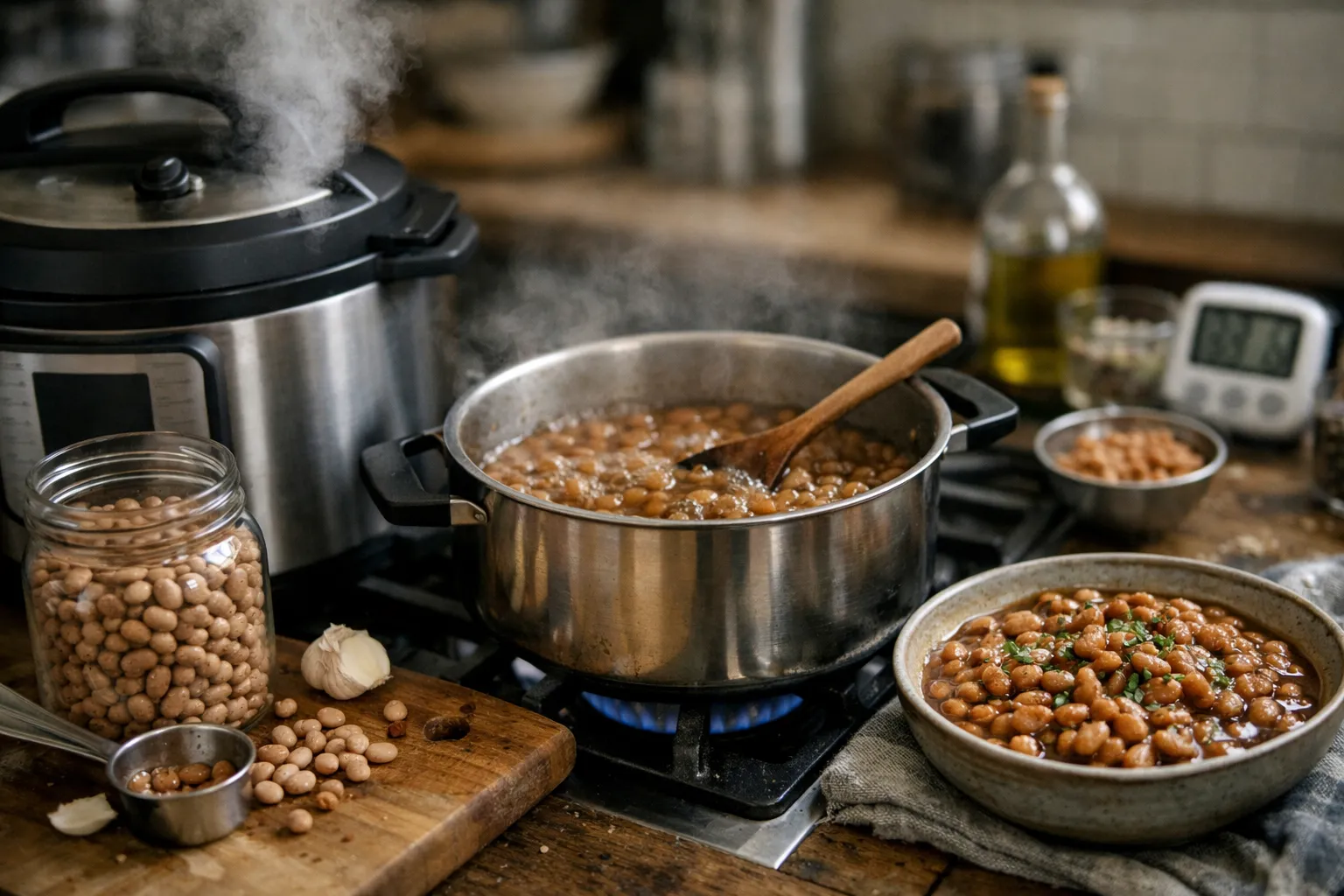
What you'll learn: how to cook dried beans reliably in 2026 using pressure cookers (Instant Pot and equivalents), stovetop, slow-cooker/oven alternatives; updated timing and safety guidance; storage and batch-cooking tips; and solutions to common problems. This guide is for home cooks and recipe enthusiasts who want better texture, lower cost, and more control than canned beans provide.
Why this matters in 2026
Beans remain one of the most climate-friendly, affordable protein sources and a kitchen staple for plant-forward cooking. Since 2023, more households adopted multicookers and model updates have added dedicated “beans/legumes” programs and smarter altitude/pressure options. At the same time, attention to energy use and food safety has risen: pressure cooking saves energy and — when used correctly — reliably softens beans while reducing gas-producing oligosaccharides. This guide reflects current best practices and safety advice that matter whether you’re batch-cooking for the week, minimizing food waste, or scaling recipes for guests.
Prerequisites and what to know first
- Equipment: pressure cooker (electric or stovetop), heavy-bottomed pot for stovetop, slow-cooker or oven-safe Dutch oven for braising.
- Beans: check the harvest year on bulk bags if possible. Older beans take longer to cook.
- Safety basics: raw red/kidney beans contain phytohaemagglutinin; USDA/FDA guidance calls for a full rapid boil for 10 minutes to deactivate it before using low-temperature methods.
- Water & altitude: very hard water can slow softening; at high altitude (above ~3,000 ft/900 m) allow a little extra time or consult your cooker manual.
Core ingredients and ratios
Keep these pantry basics on hand:
- 1 cup dried beans — yields about 2½–3 cups cooked (varies by variety).
- Liquid: 3 cups water or low-sodium stock per 1 cup dried beans (use 3½ cups for very large beans such as chickpeas).
- Salt (kosher or sea salt), aromatics (onion, garlic, bay leaf, bouquet garni).
Serving sizes: ½ cup cooked as a side, 1 cup cooked as main-protein portion. Adjust liquid for recipes where beans finish cooking inside a sauce (less liquid) versus soups (more liquid).
Prep time — realistic expectations
- Soaking (optional): overnight 6–8 hours or quick soak 1 hour (bring to boil 2 minutes then soak 1 hour).
- Active cooking time (hands-on): 5–20 minutes, depending on method.
- Cooking durations (typical ranges):
- Pressure cooker, unsoaked: 20–45 minutes depending on bean type
- Pressure cooker, soaked: 6–15 minutes active pressure
- Stovetop unsoaked: 45–90 minutes simmering
- Slow cooker soaked: 4–6 hours on high, 6–8 on low
To soak or not to soak?
Soaking reduces active cooking time and can leach some oligosaccharides; it also improves evenness of cooking for very large beans. However, modern pressure cooking makes soaking optional for most varieties. If you’re sensitive to FODMAPs, long soaking plus discarding soak water can reduce fermentable oligosaccharides but won’t eliminate them; Monash University’s low-FODMAP guidance still recommends small, tested servings for those with IBS.
Pressure cooker (Instant Pot and multicookers) — fastest dependable method
Electric multicookers with programmable “beans/legumes” settings are now common in 2024–2026 households; they pair speed with energy efficiency. Use the pressure method when you want reliable, repeatable results.
Ingredients (for 1 cup dried beans)
- 1 cup dried beans, rinsed and sorted
- 3–3½ cups water or low-sodium stock
- 1 small onion, halved (optional)
- 1 bay leaf or 1 sprig thyme (optional)
- Salt to taste (see note)
Method (pressure cooker)
- Rinse beans under cold water; remove debris. If soaked, drain and rinse.
- Add beans, liquid, and aromatics to the pot. Do not exceed your cooker’s fill line (never fill above 2/3 full; beans and liquid can expand).
- Seal the lid and set to high pressure using the time chart below as a starting point.
- When pressure cooking completes, allow a natural pressure release for 10–20 minutes (larger beans benefit from longer natural release). Quick-release remaining pressure, open and test doneness.
- Taste and salt if needed. If beans are still firm, reseal and add 2–5 minutes more at high pressure.
Why this works: pressure raises boiling temperature and forces liquid into starches faster, shortening predictable cook times and reducing fuel use compared with long stovetop simmering.
Pressure-cooker timing chart (high pressure, natural release unless noted)
- Black beans — soaked: 6–9 minutes | unsoaked: 25–30 minutes
- Pinto beans — soaked: 6–8 minutes | unsoaked: 25–30 minutes
- Chickpeas (garbanzo) — soaked: 10–15 minutes | unsoaked: 35–40 minutes
- Cannellini / Great Northern — soaked: 6–8 minutes | unsoaked: 30–35 minutes
- Navy / small white — soaked: 5–7 minutes | unsoaked: 20–25 minutes
- Lentils — brown/green: 6–10 minutes (no soak) | red/orange: 3–5 minutes (very soft)
- Kidney beans — boil 10 minutes first, then pressure-cook 8–12 minutes (see safety note)
Notes: Variability comes from bean age, water hardness, and altitude. At higher elevations, add modest time (consult your cooker manual); many newer multicookers include altitude compensation.
Safety note on kidney (red) beans
Raw red kidney beans contain phytohaemagglutinin, which causes acute gastrointestinal symptoms if not properly deactivated. Follow authoritative food-safety guidance: soak and discard the soaking water, then bring beans to a full, vigorous boil for at least 10 minutes before switching to a slower cooking method (slow cooker) or pressure-cooking. Failure to do so risks illness; electric multicooker “bean” presets that do not reach a boil before low-temperature simmering are not sufficient without an initial boil.
Stovetop method
Stovetop remains the most forgiving method and gives the most control over texture—good for finishing beans in sauces.
- Soak if you prefer (drain and rinse).
- Place beans in a large, heavy-bottomed pot with 3–4 cups liquid per cup dry and aromatics.
- Bring to a boil, reduce to a low simmer, partially cover, and cook until tender. Stir occasionally; add hot water if needed to keep beans submerged.
Approximate stovetop times (unsoaked): small beans 45–60 minutes; large beans and chickpeas 60–90 minutes. Salt after they begin to soften if you prefer the old rule; modern testing shows moderate amounts of salt added early do not prevent softening and help season beans through.
Slow cooker and oven notes
- Slow cookers are excellent for set-and-forget batch cooking but do not reach the temperatures required to reliably inactivate kidney-bean toxins. Always pre-boil kidney beans 10 minutes if you plan to slow-cook.
- Slow-cooker times (soaked): 4–6 hours on high, 6–8 on low for most beans.
- Oven braise: preheat to 300°F (150°C) and cook covered 90–120 minutes (soaked) depending on bean size; use a heavy Dutch oven for even heat.
Salt, acid, baking soda and flavour rules
- Salt: Early salting in moderate amounts (about 1 tsp kosher salt per cup dried beans) seasons beans evenly and does not materially prevent softening. If in doubt, add half the salt at start and finish to taste.
- Acidic ingredients (tomato, vinegar, citrus) slow softening — add them when beans are tender.
- Baking soda can speed softening in very hard water (a pinch, ~1/8 tsp per cup dry) but flattens flavor and can reduce B vitamins; use sparingly and rinse after if possible.
- Umami finishes: miso, tamari, anchovy or Parmesan rinds added after cooking boost depth without lengthening cook time.
Troubleshooting — quick fixes
- Beans still hard after cooking: likely causes are old beans, hard water, or inadequate time. For pressure cookers, reseal and add 5–10 minutes; for stovetop, simmer longer with lid on. If using hard tap water, switch to filtered or bottled water for the cook and avoid baking soda as a routine fix.
- Mushy beans: reduce next batch cooking time, shorten natural release, or use firmer varieties for salads.
- Foamy boilover: skim foam early, add a tablespoon of neutral oil to reduce surface tension, and leave headspace in the pot.
- Gas/flatulence concerns: discard soak water, rinse, and use pressure cooking; spices like cumin, fennel and asafoetida can help for sensitive eaters.
Serving size, storage and batch-cooking (practical tips)
- Yield: 1 cup dry beans ≈ 2½–3 cups cooked.
- Refrigerator: store cooled beans in their cooking liquid up to 3–5 days in an airtight container at ≤40°F (4°C). Cool rapidly — divide into shallow containers.
- Freezer: drain or leave ¼ cup cooking liquid per cup beans; freeze flat in zip bags for up to 3 months for best texture. Add frozen beans directly to soups or thaw in fridge.
- Batch-cook: pressure-cook larger batches for energy efficiency; portion and freeze for quick weekdays. Label with variety and cook date.
Dietary notes and 2026 trends
Consumer trends through 2026 show continued growth in plant-forward eating and home batch-cooking. Practical dietary notes:
- Low sodium: cook without added salt; finish with deliquesced lemon or vinegar to brighten flavors without excess sodium.
- Low FODMAP: many people tolerate small servings of canned legumes better than home-cooked; pressure-cooked lentils are often gentler. Follow Monash-approved portion recommendations if you are sensitive.
- Lectins and anti-nutrients: pressure cooking and boiling effectively reduce lectins and harmful compounds; sprouting or fermenting before cooking reduces phytates and can improve mineral availability.
- Food allergies: cross-contact is possible in bulk bins and shared pans — clean equipment between uses if you or guests have legume allergies.
Recipe ideas reflecting 2026 flavors
- Smoky black bean tacos with charred corn salsa and avocado crema — batch-cooked beans make weeknight tacos fast.
- Chickpea “tuna” salad — mash chilled pressure-cooked chickpeas with celery, capers, tahini and lemon for a lunch-ready sandwich filling.
- West African–inspired peanut stew — simmer pressure-cooked black-eyed peas with tomatoes, sweet potato and peanut butter for a one-pot dinner.
- Crispy roasted chickpea snacks — toss cooked chickpeas with oil and spices, then air-fry or roast to a crunchy snack.
Final checklist: quick cheat-sheet
- Rinse and sort dried beans; note age on the bag.
- Soak if desired; pressure cooking removes the need for soak in most cases.
- Use 1 cup dry : 3 cups liquid (3½ cups for chickpeas/large beans).
- Pressure-cook unsoaked blacks/pintos ~25–30 min; chickpeas ~35–40 min; lentils 3–10 min.
- Natural pressure release 10–20 minutes for best texture.
- Add acidic ingredients after beans are tender; salt early in moderate amounts or finish to taste.
Common mistakes to avoid
- Using very old beans without adjusting time — older beans can require substantially longer cooking.
- Skipping the 10-minute boil for kidney beans before slow-cooking — food-safety risk.
- Overfilling electric multicookers — heed fill-line and manufacturer guidance to avoid clogging vents.
- Relying on baking soda as a first-line fix — it alters flavor and nutrient profiles; use filtered water and longer cooking instead.
Pro tips
- Label bulk bags with purchase date — beans kept at cool, dry conditions perform better for longer.
- For very even beans in salads, soak overnight, cook until just tender, then chill rapidly in their cooking liquid to set texture.
- Use a wide pot or shallow pan when finishing beans in sauces to encourage flavor concentration and evaporation.
- Freeze in measured portions (1-cup cooked portions) for easy recipe use and to reduce waste.
FAQ
Do I need to soak beans before pressure cooking?
No — soaking is optional for most beans when using a pressure cooker. Soaking reduces active pressure time and can improve evenness of large beans, but modern pressure-cooker timings work well with unsoaked beans. If you soak, discard the soak water and use fresh liquid to reduce oligosaccharides.
How do I safely cook kidney beans?
Soak and discard the soak water, then bring kidney beans to a vigorous boil for at least 10 minutes before continuing to cook by slow methods. This step destroys phytohaemagglutinin. If using a pressure cooker, an initial full boil or following manufacturer safety guidelines is recommended before using low-temperature presets.
Why are my beans still hard after pressure cooking?
Common causes: old beans, very hard water, too little time, or high altitude. Try adding 5–10 minutes more pressure time, use filtered water, or test another small batch after soaking. Avoid relying on baking soda as a routine solution because it affects flavor and some nutrients.
Can I cook dried beans in a slow cooker straight from dry?
Yes for many beans, but not for raw red/kidney beans — they must first be boiled for 10 minutes to neutralize toxins. For other beans, soaking helps but is not strictly required; expect longer cook times and check for doneness.
How long can I freeze cooked beans?
Cooked beans maintain best texture and flavor for about 3 months in the freezer when stored with a little cooking liquid. They remain safe longer but may lose texture and flavor over time.
With these updated practices for October 2026, you can cook dried beans reliably whether you own the latest electric multicooker or prefer a heavy pot on the stove. Batch-cook once and use the portions all week—tender beans are one of the simplest ways to add nutrition, flavor and budget-friendly protein to daily meals. Want timings for a specific bean variety or your cooker model? Tell us the bean and appliance and we’ll give precise, tested times.