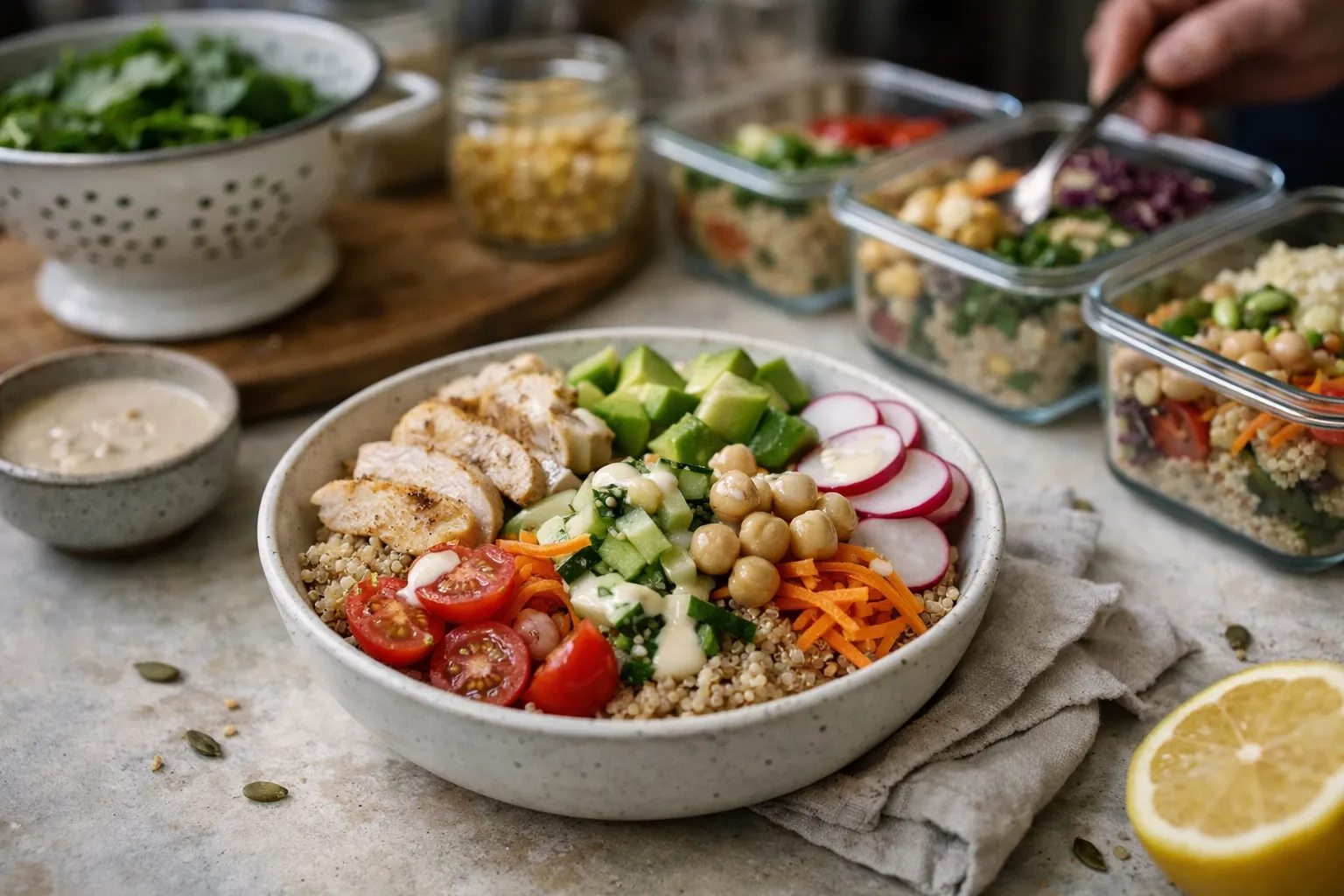
Spring produce, bright dressings and grain‑forward bowls remain a kitchen favorite—especially when you can assemble a meal in 20 minutes without firing up the oven. This September 2026 update keeps the original 12 no‑oven spring grain bowls and adds current sourcing notes, product‑category developments, and practical meal‑prep adjustments that matter to cooks right now.
Selection criteria & what’s new in 2026
- Quick assembly: Every bowl can be assembled in 20 minutes or less using either quick‑cook grains, pouches, canned pulses or cold‑soak methods.
- No oven required: All recipes are microwave-, stovetop- or no‑cook friendly.
- Seasonally mindful: Focus on spring produce combinations, with fall‑season substitution suggestions and tips for sourcing out‑of‑season items in Sept 2026.
- Practical updates: Notes on new convenience formats (vacuum pouch grains and microwave steam bags), better storage practices for meal prep, and low‑waste swaps that emerged in 2025–26.
Methodology — how these bowls were chosen
I tested and refined each bowl for speed, balance and pantry flexibility. For this update I also examined retail availability (pouch pre‑cooked grains and single‑serve lentil packs increasingly stocked at mainstream grocers), consulted recent produce‑season patterns from regional farmers' markets, and prioritized swaps that reduce food waste and prep time. Every entry lists ingredients, prep time, primary method, serving guidance and practical dietary swaps.
Quick practical notes before you start
- Cooked grain guide: plan 1–1½ cups cooked grain per main bowl; ¾ cup uncooked yields roughly one generous serving for most grains.
- Pouches and vacuum packs: in 2026 more brands offer shelf‑stable, pre‑seasoned quinoa, freekeh and mixed grains—these reliably save 8–12 minutes and simplify batch prep.
- Keep dressings separate and finish with citrus or finishing oil at service to avoid soggy textures.
- Batch prep tip: cook 3–4 cups uncooked grain to cover 4–6 bowls; rotate toppings through the week to reduce monotony.
1. Lemon‑Herb Quinoa Bowl with Asparagus & Peas
- What it is: Bright quinoa tossed with blanched asparagus tips, shelled peas, lemon zest and feta.
- Prep time: 12–15 minutes (use pouch quinoa to hit the low end).
- Why it made the list: Fast, flexible and very good with leftover grains; in 2026 many stores stock pre‑washed mid‑size asparagus that blanches in 2–3 minutes.
- Specs & swaps: Use vegan feta for dairy‑free. For low‑FODMAP, leave out raw garlic and use garlic‑infused oil.
2. Farro & Charred Spring Onion Bowl with Chickpeas
- What it is: Quick‑cooking farro with charred spring onions, chickpeas and a dollop of labneh or dairy‑free yogurt.
- Prep time: 18–20 minutes (use quick‑cook farro or a microwave grain pouch).
- Why it made the list: Farro's chew holds up for make‑ahead lunches; in 2026 several supermarkets carry "quick farro" that halves traditional cook time.
- Specs & swaps: Farro contains gluten—swap for pearl barley (also gluten) or quick‑cook quinoa for GF needs.
3. Instant Brown Rice Bowl with Miso‑Ginger Tofu & Snap Peas
- What it is: Instant brown rice topped with pan‑fried tofu, snap peas and a miso‑ginger dressing.
- Prep time: 15 minutes using instant rice.
- Why it made the list: Instant rices and single‑serve tofu blocks improved texture in 2025–26 product cycles; miso adds umami with minimal effort.
- Specs & swaps: Substitute tempeh or edamame for soy‑sensitive eaters; use tamari for low‑FODMAP adjustments instead of miso when needed.
4. Bulgur Tabbouleh Bowl with Radishes & Mint (No‑Cook bulgur)
- What it is: Fine bulgur soaked and tossed with parsley, mint, cucumber and lemon.
- Prep time: 10–12 minutes.
- Why it made the list: Soaking keeps this bowl truly no‑stove. For Sept 2026, if local bulgur is scarce, quick‑cooking cracked wheat or a similar soakable grain works.
- Specs & swaps: Bulgur contains gluten—use quinoa or millet to make it GF; omit onion for low‑FODMAP.
5. Millet Bowl with Spring Greens, Almonds & Citrus Vinaigrette
- What it is: Soft millet paired with baby spinach, orange segments, toasted almonds and goat cheese.
- Prep time: 15–20 minutes; rinsing millet reduces dust and improves cook time.
- Why it made the list: Millet's neutral profile soaks up vinaigrettes—use pumpkin seeds for nut‑free options.
- Specs & swaps: Naturally gluten‑free; swap citrus to preserved lemon for deeper flavor if fresh citrus is out of season.
6. Pearl Barley & Spring Mushroom Bowl with Herb Gremolata
- What it is: Quick‑cook pearl barley with sautéed mushrooms, peas and a parsley‑lemon gremolata.
- Prep time: ~20 minutes with quick barley.
- Why it made the list: Barley featured in 2025–26 menus as a satisfying, sustainable grain—its chew contrasts with delicate spring veg.
- Specs & swaps: Barley has gluten—choose quinoa for GF. For low‑FODMAP, replace raw garlic in gremolata with chive or garlic oil.
7. Quick‑Cook Freekeh Bowl with Jarred Roasted Peppers & Labneh
- What it is: Pre‑cooked freekeh, jarred roasted peppers, pine nuts and labneh.
- Prep time: 8–12 minutes using pouch freekeh.
- Why it made the list: Freekeh pouches reached wider distribution in 2025–26; paired with jarred peppers you skip the roasting step and save time.
- Specs & swaps: Freekeh is wheat—substitute cooked buckwheat or quinoa for GF diets.
8. Buckwheat Soba‑Style Bowl with Sesame‑Ginger Dressing
- What it is: 100% buckwheat soba or toasted groats with cucumber, scallions and sesame‑ginger sauce.
- Prep time: 12–15 minutes.
- Why it made the list: In 2026 more brands are selling 100% buckwheat soba, eliminating wheat cross‑contamination for GF cooks.
- Specs & swaps: Confirm label for 100% buckwheat; omit sesame oil for sesame allergies and use toasted sunflower seed oil instead.
9. Cold Lentil & Spinach Bowl with Radish & Walnut
- What it is: Rinsed canned green lentils with baby spinach, radish, walnuts and mustard vinaigrette.
- Prep time: 8–10 minutes using canned lentils.
- Why it made the list: Canned lentils remain one of the fastest, most sustainable protein choices—use the 2026 single‑serve lentil pouches for convenient batch packing.
- Specs & swaps: Swap walnuts for sunflower seeds to make it nut‑free; naturally GF.
10. Quick Couscous Bowl with Herb Salad & Lemon‑Tahini
- What it is: Instant couscous or Israeli couscous with parsley, mint and lemon‑tahini dressing.
- Prep time: 8–12 minutes using hot water only.
- Why it made the list: Instant couscous needs no stove if you have hot water; an easy base when spring herbs are abundant.
- Specs & swaps: Replace couscous with quinoa for GF; reduce tahini for low‑FODMAP tolerance.
11. Brown Rice & Edamame Bowl with Citrus Ponzu
- What it is: Leftover or instant brown rice with shelled edamame, scallion, pickled ginger and citrus ponzu.
- Prep time: 12 minutes.
- Why it made the list: Using leftover rice keeps waste down; pre‑shelled frozen edamame reduces prep time dramatically.
- Specs & swaps: Ensure ponzu is vegan if needed; use tamari‑lime for a simpler low‑FODMAP option.
12. Cauliflower Rice “Grain” Bowl with Spring Herb Salsa Verde
- What it is: Store‑bought riced cauliflower warmed briefly, topped with blanched green beans, peas and a herb salsa verde.
- Prep time: 10–12 minutes.
- Why it made the list: Low‑carb option that pairs with spring herbs; cauliflower rice is now sold in both fresh and frozen steam‑in‑bag formats that speed prep.
- Specs & swaps: Add a can of tuna or grilled chicken for extra protein; naturally GF and keto‑friendly.
Quick comparison reference
- Fastest (8–12 min): Couscous, Freekeh pouch, Bulgur tabbouleh, Lentil & Spinach.
- Best make‑ahead bases: Quinoa, Brown rice, Pearl barley—hold texture and reheat well.
- Best low‑carb: Cauliflower rice bowl.
- Best for salad‑style cold bowls: Bulgur tabbouleh, Buckwheat soba, Cold lentil bowl.
- Best for high‑chew texture: Farro and pearl barley.
Updated sourcing & seasonality notes (September 2026)
Two months after the original July 2026 piece, what’s changed for September? Supply chains and growing practices have continued to expand year‑round availability: greenhouse production and controlled‑environment agriculture made asparagus, young spinach and snap peas more consistently available through the summer into fall in many regions in 2026. That said, locally grown spring crops still peak in March–May in temperate zones—buy those when you can.
If you’re shopping in September 2026:
- Look for greenhouse or hydroponic labels if you want out‑of‑season asparagus or peas; they'll be fresher than long‑distance imports.
- Frozen vegetables (shelled peas, edamame, asparagus tips) now preserve more texture and are a faster, lower‑waste option for no‑oven bowls.
- Pre‑cooked grain pouches and single‑serve lentil/bean packs remain the fastest route—check ingredient labels for sodium and added oil.
Practical 2026 meal‑prep tips
- Use steam‑in‑bag frozen veg: Blanch quality without monitoring a pot—saves 3–4 minutes.
- Invest in airtight containers: Keep cooked grains separate from dressings; refrigerated grains stay good 3–4 days when cooled quickly.
- One‑jar dressings: Make emulsified dressings in a jar and store them on the side—shake and dress at service to keep grains fresh.
- Rotation strategy: Cook one neutral base (quinoa or rice), one legume (lentils), and one low‑carb base (cauliflower rice) each weekend to create multiple bowl variations midweek.
Why these bowls still matter in 2026
Two things drive the popularity of no‑oven grain bowls: convenience and flexibility. Pre‑cooked grains and frozen produce innovations in 2025–26 made it even easier to build high‑quality bowls without extra equipment. At the same time, the emphasis on plant‑forward meals and reduced food waste keeps these bowls relevant—mix and match bases and toppings to stretch ingredients across meals and seasons.
Final thoughts
If you want one bowl to start with, the lemon‑herb quinoa remains the most flexible entry point—use a pouch quinoa to shave time and swap proteins and dressings across the week. For quick office lunches, the lentil & spinach bowl and couscous bowl are the fastest packable options. For make‑ahead dinners that still feel fresh, pearl barley or farro hold up best.
How do I keep bowls from getting soggy when I prep in advance?
Store grains and wet ingredients separately. Pack dressings in small jars or squeeze bottles. If possible, keep crunchy or delicate toppings (nuts, herbs, radish) separate and add just before eating. Cooked grains keep 3–4 days refrigerated when cooled quickly and stored in airtight containers.
Can I rely on frozen veg for “spring” bowls in September?
Yes. High‑quality frozen peas, asparagus tips and green beans are often picked and frozen at peak ripeness, preserving flavor and texture better than off‑season fresh imports. Use steam‑in‑bag options to save time.
Which grains are best for meal‑prep longevity?
Quinoa, brown rice and pearl barley hold texture well and reheat nicely. Buckwheat groats and freekeh (pouch) also keep fairly well. Cauliflower rice is best eaten within 1–2 days if mixed with wet dressings; keep it separate when possible.
What if I’m feeding people with mixed dietary needs?
Build a neutral base (plain quinoa or rice) and offer toppings and dressings separately. Provide a dairy option and a dairy‑free alternative, and label gluten‑containing grains. Many bowls convert easily—swap bulgur/freekeh for quinoa or buckwheat to accommodate GF diners.